1 hr 30 min
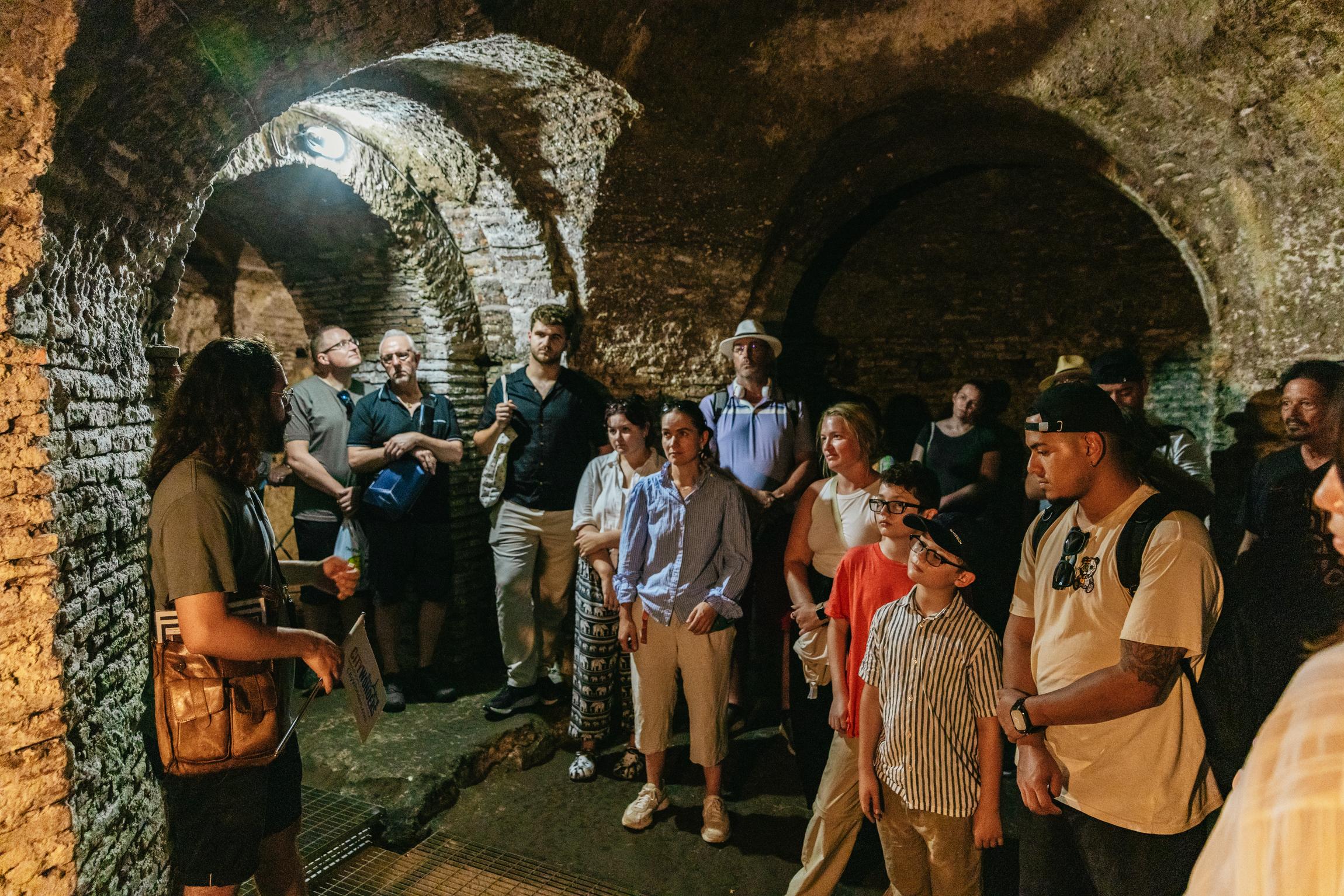
Caracalla Baths & Circus Maximus Guided Tour
- Expert local guide
- Small group
- Skip-the-line access
- Free cancellation
Baths of Caracalla Tickets — Reserved Entry & Guided Access
Brick vaults hold the sky, marble memory underfoot.
Compare fares, pick the fit — all bookings are mobile-voucher and eligible for free cancellation where shown.
1 hr 30 min
2 hr
| Experience | Duration | Rating | Skip-the-line | Guide | Small group | Free cancel. | Price | |
|---|---|---|---|---|---|---|---|---|
|
Guided Experience
Most popular
Caracalla Baths & Circus Maximus Guided Tour
|
1 hr 30 min | ★ 4.7 | ✓ | ✓ | ✓ | ✓ | €65 | Book → |
|
Skip-the-line
Baths of Caracalla: Skip-the-Line Entry Ticket
|
Self-guided visit | ★ 3.7 | ✓ | — | — | ✓ | €14 | Book → |
|
Guided Experience
Baths of Caracalla: Skip-the-Line Ticket & Audio Guide
|
2 hr | ★ 4.0 | ✓ | ✓ | ✓ | ✓ | €18 | Book → |
Worth it for ruin lovers, skippable for skimmers
At 8 EUR, Baths of Caracalla Tickets are among the best-value entries in Rome. That fee buys access to brick vaults still standing four storeys high, surviving mosaic floors, and the footprint of the caldarium, frigidarium and palaestrae — a bathing complex you walk through rather than peer at from a barrier. Compared with what Rome charges elsewhere, the price per hectare of accessible ruin is hard to beat, and the crowd load is a fraction of the Colosseum's. The catch: there is no on-site museum, no reconstructed interiors, and interpretation is thin, so the 8 EUR pays for atmosphere and scale, not curation. Ancient Rome enthusiasts, archaeology students and photographers get full value. Casual sightseers ticking off Roman landmarks may find bare brick underwhelming without a guided Baths of Caracalla Tickets tour to fill the silence.
Bottom line: For 8 EUR, terme di Caracalla delivers more standing Roman architecture per euro than almost anything else in the city — provided you come for the ruins, not the storytelling.
Both sites reveal imperial Rome, but they suit different travel styles: choose Baths of Caracalla Tickets for self-paced, open-air ruins you can wander any hour, and choose Domus Aurea for a fixed-slot, guided descent into Nero's buried palace.
|
Top pick Baths of Caracalla |
Domus Aurea | |
|---|---|---|
| What you see | Vast open-air bathing halls, mosaics | Underground frescoed halls, VR reconstructions |
| How you visit | Self-guided, wander freely | Guided-only, fixed small groups |
| Booking flexibility | Walk up or book any time slot | Fixed slots, weekends only, books out fast |
| Price | 8 EUR full adult ticket | 18 EUR standard, 26 EUR with VR |
| Typical duration | Visitor-paced, no fixed length | Fixed 1.5 hour guided slot |
| Best paired with | Circus Maximus, Aventine Hill | Colosseum, Roman Forum |
| See tickets & prices |
Verdict: Pick the Baths for flexible, unhurried exploration of Rome landmarks on your own schedule, and pick Domus Aurea when you want a guided, tech-assisted look at Nero's hidden palace and don't mind planning around limited weekend slots.
Hand-picked experiences loved by thousands of travelers
3 hours
Free Cancellation
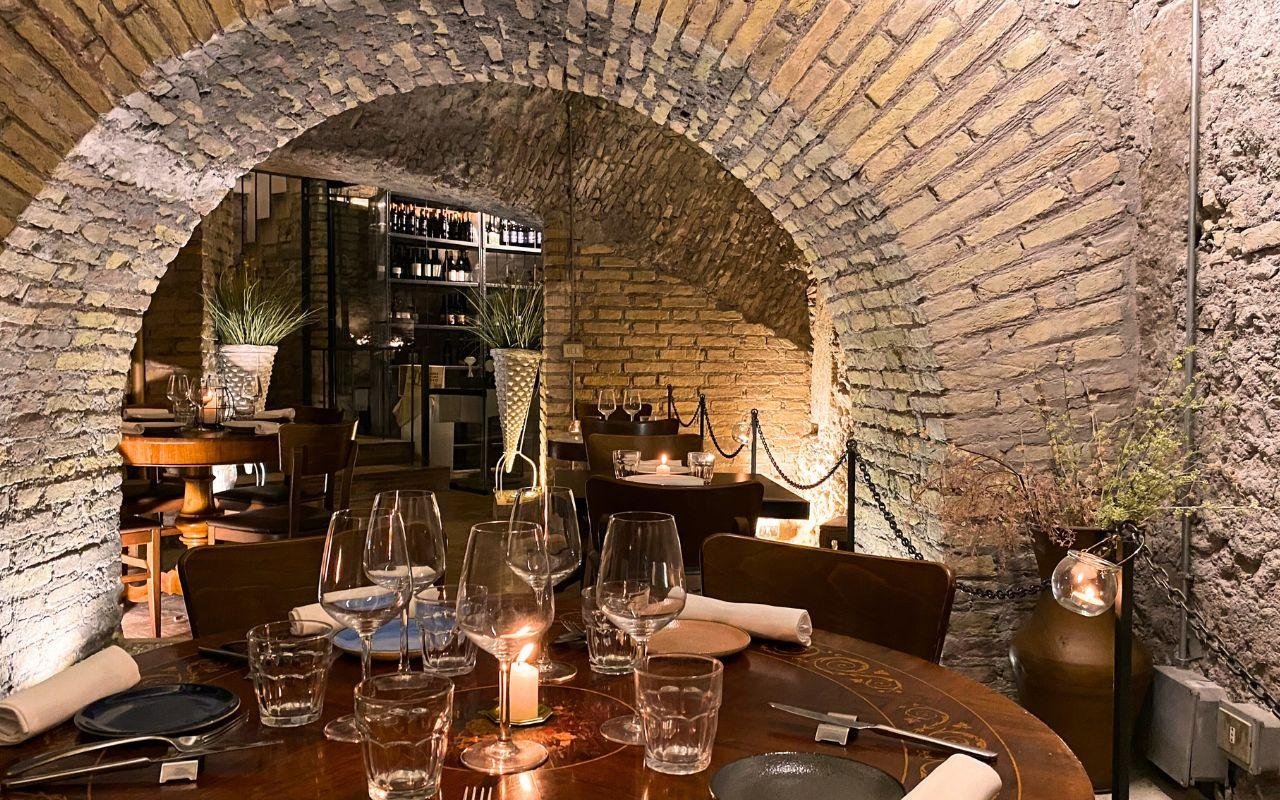
Dine by candlelight in a 2,000-year-old Roman bath with a 4-course meal and Italian wine pairings.
2.5 hours
Free Cancellation
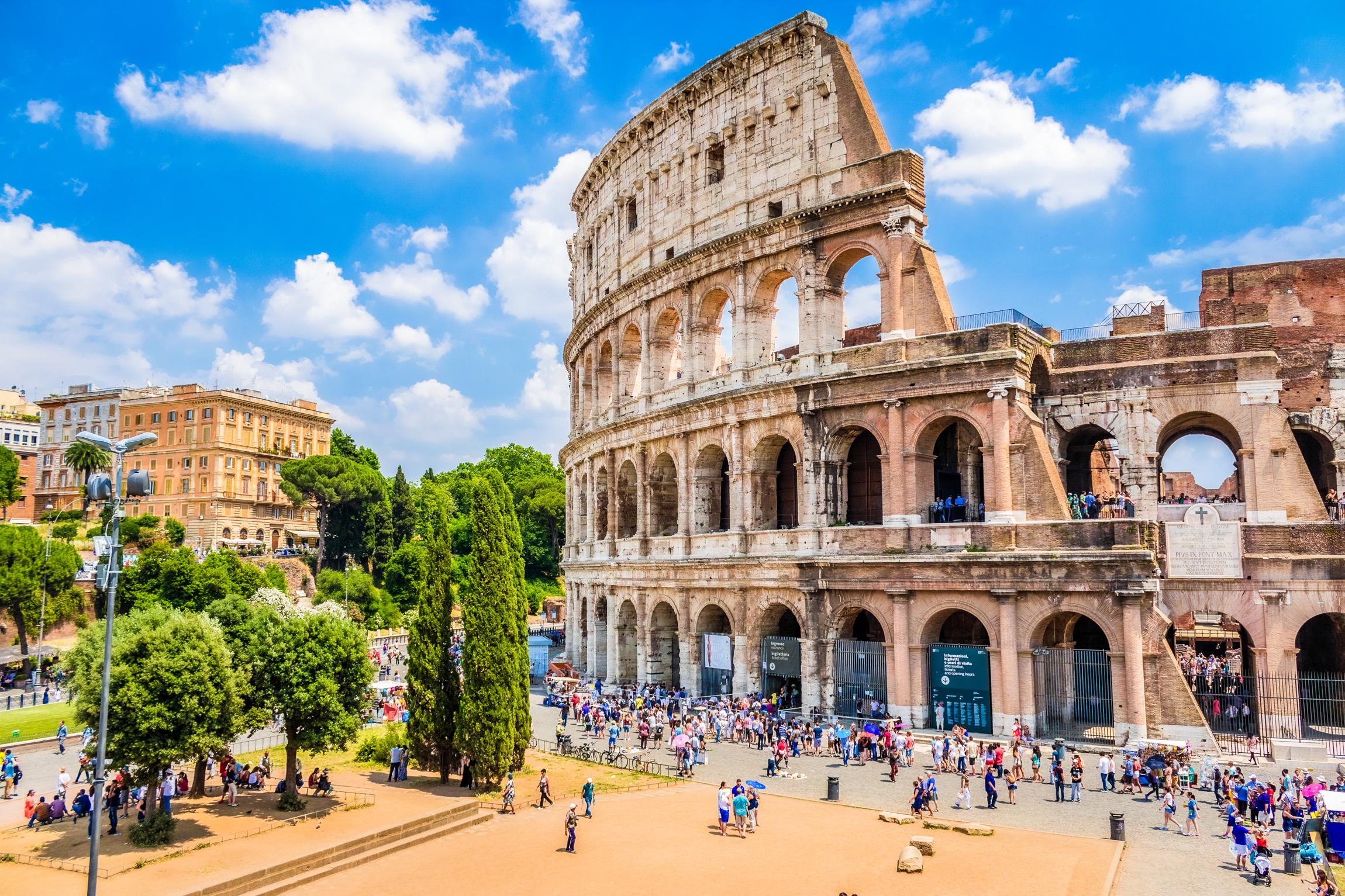
Walk through the Colosseum's arena floor history and wander the ancient heart of Rome with an expert guide.
Self-paced (typically 2-3 hours)
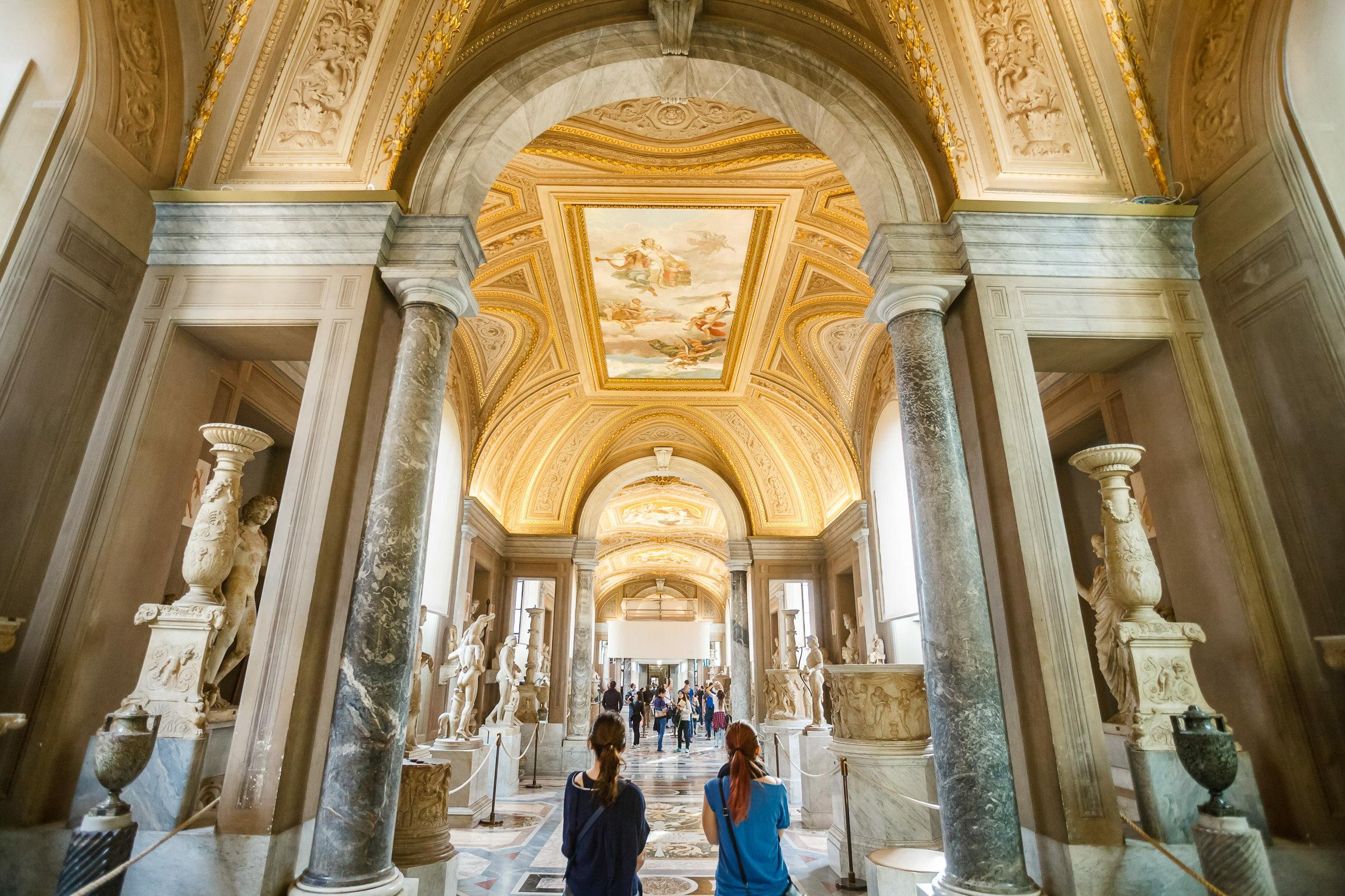
Skip the ticket line and explore the Vatican Museums and Sistine Chapel at your own pace.
2 hours
Free Cancellation
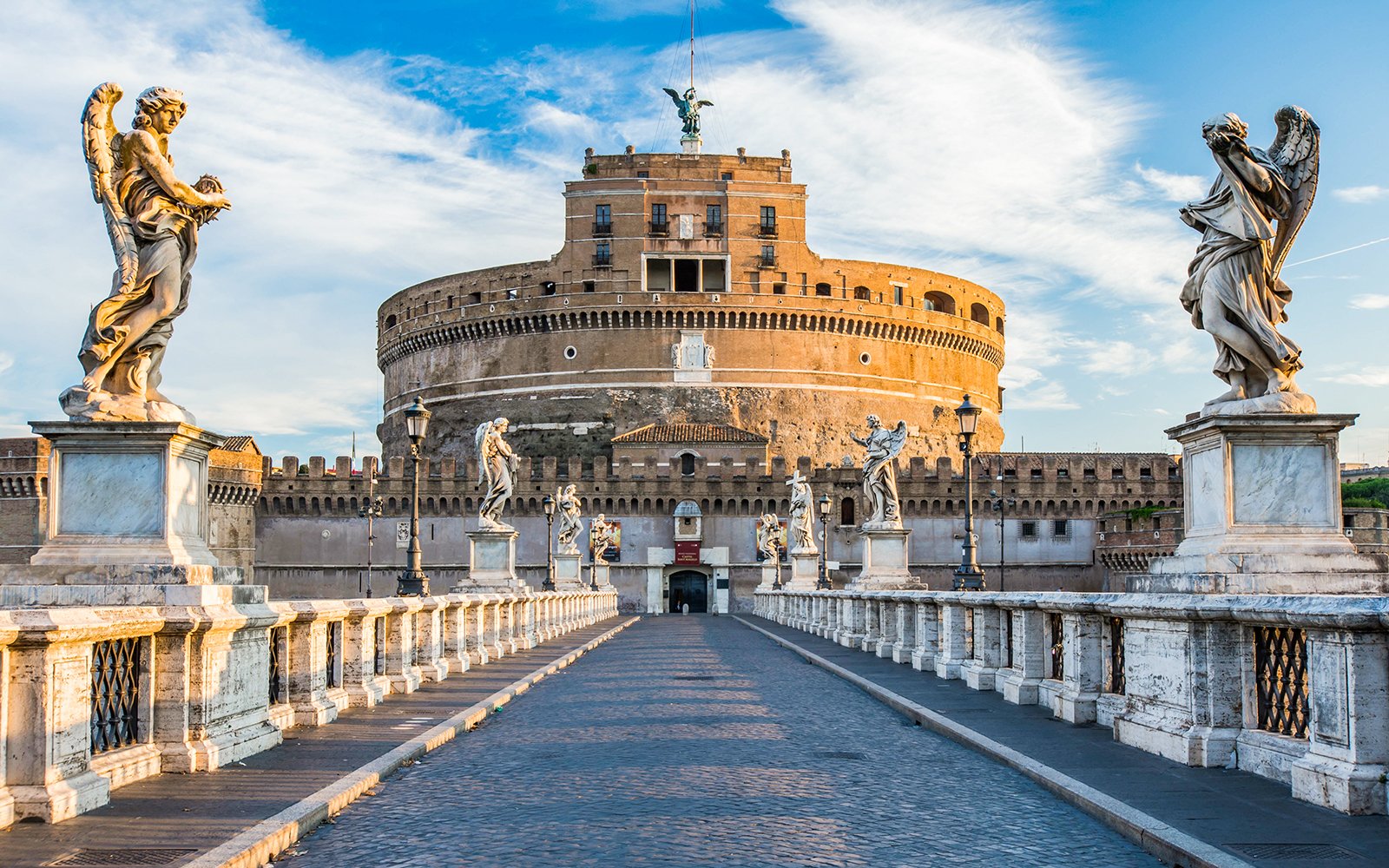
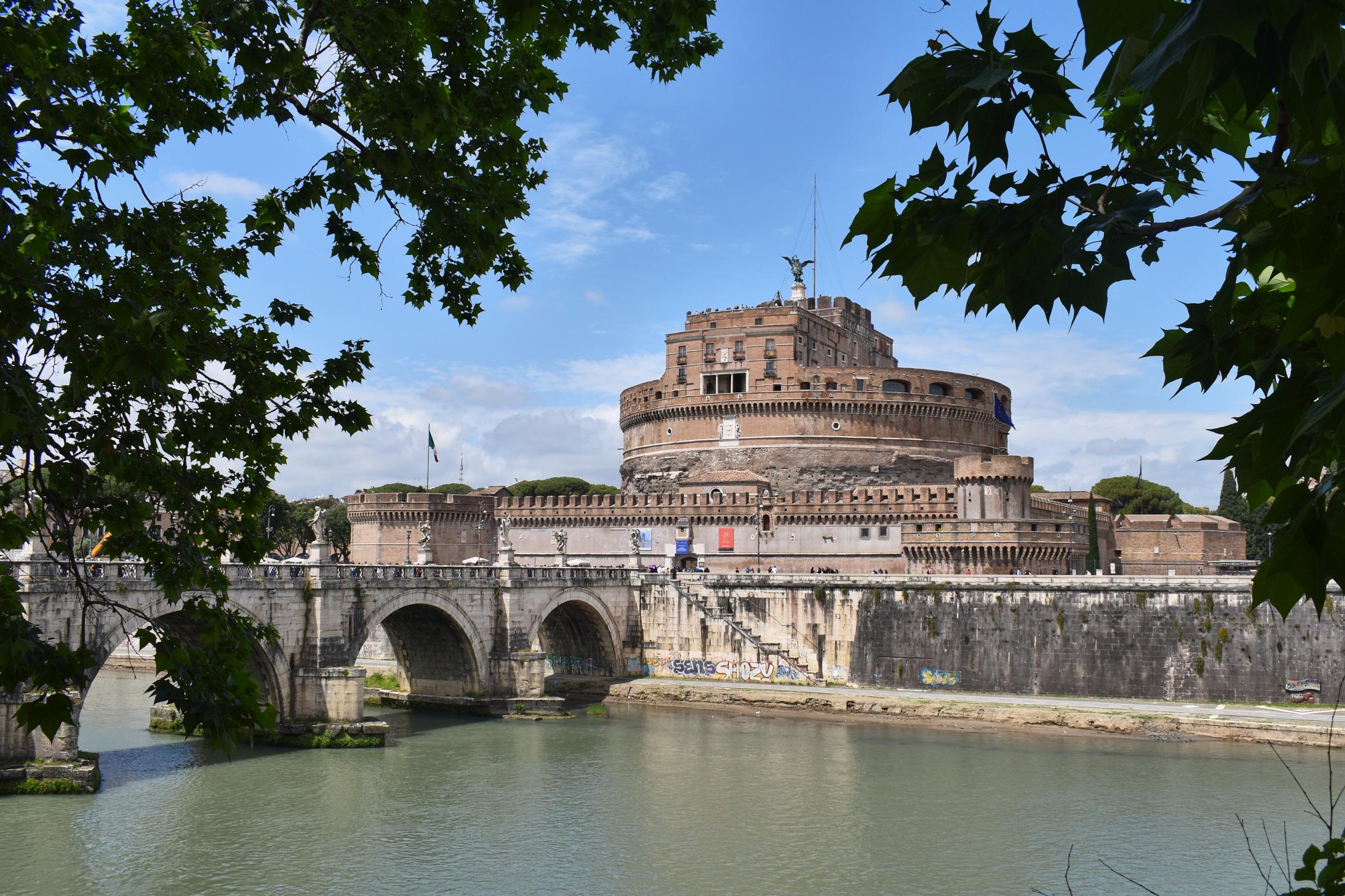
Skip the confusion, not the history — self-paced entry to Rome's fortress-turned-museum with rooftop views over the city.
2.5 - 3.5 hours
Free Cancellation
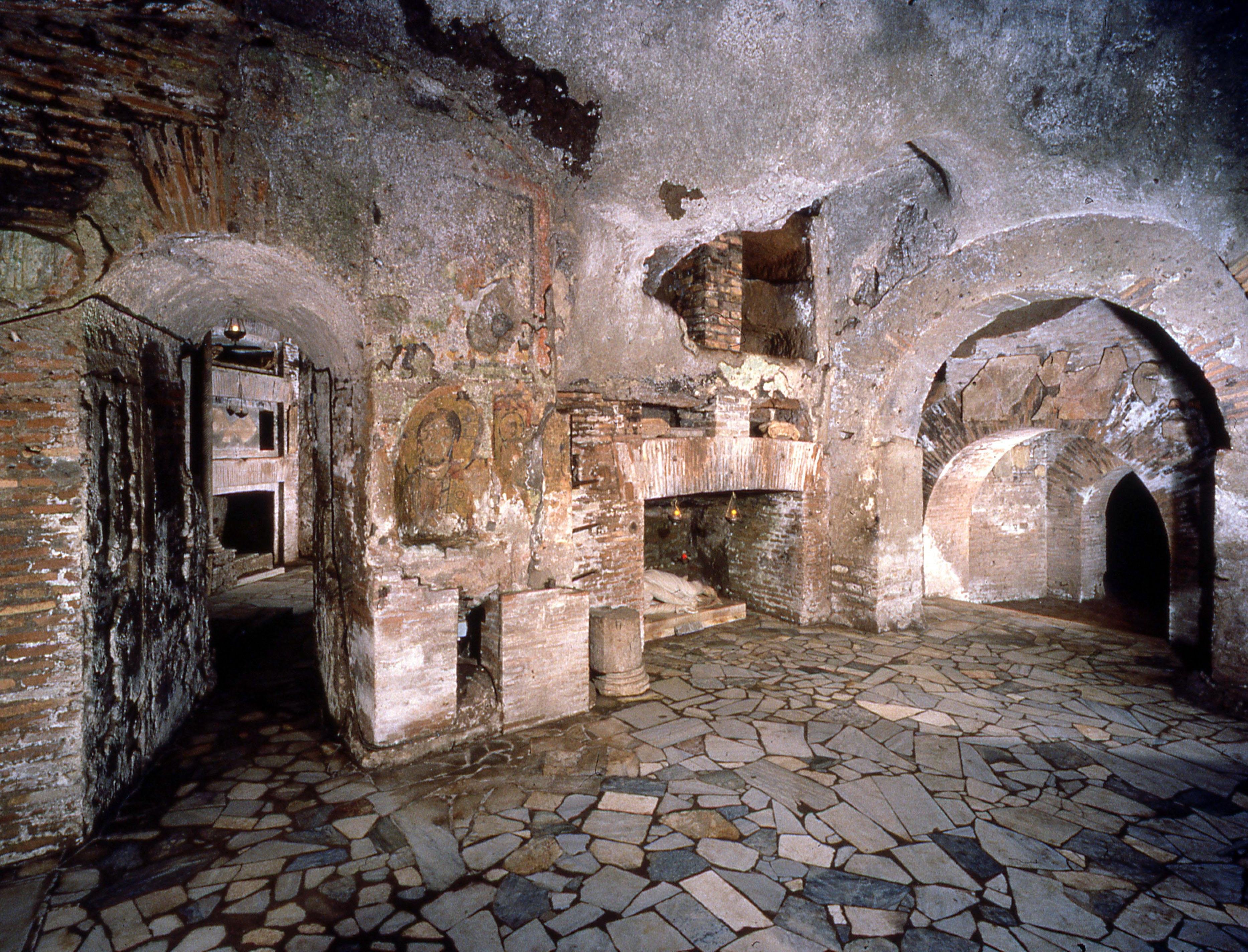
Skip the lines to explore bone-adorned crypts, ancient catacombs, and a hidden basilica beneath Rome.
12 - 13 hours
Free Cancellation
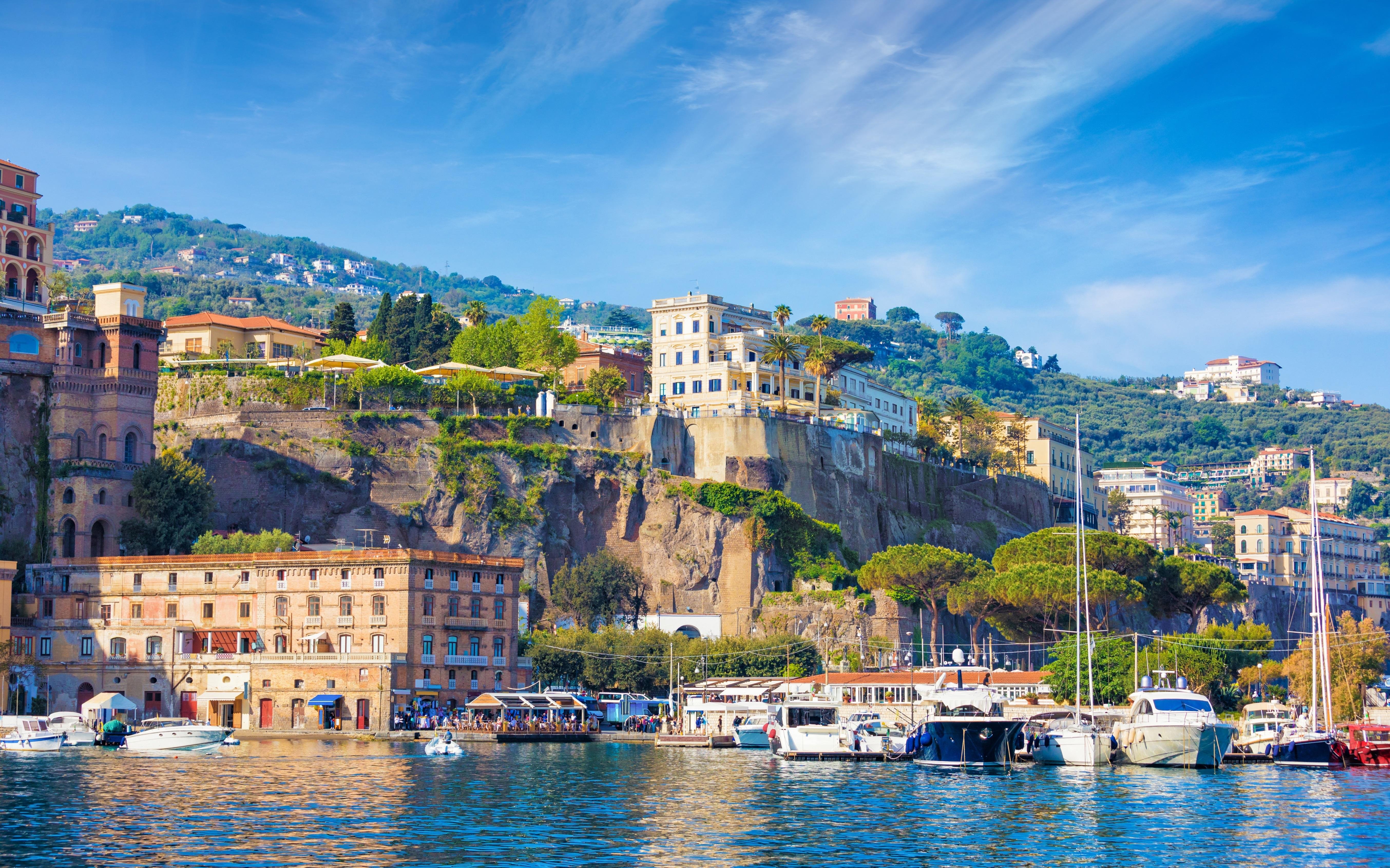
A jam-packed day from Rome to Pompeii's ruins, Amalfi's coastal views, and Sorrento's limoncello.
30 minutes
Free Cancellation
Descend beneath Rome's Appian Way into ancient underground crypts with a guided catacombs tour.
Flexible – explore at your own pace
Skip confusion, not history: explore Hadrian's mausoleum-turned-fortress at your own pace with a smartphone audio guide.
Bag inspection and ticket scan at the Viale delle Terme di Caracalla gate
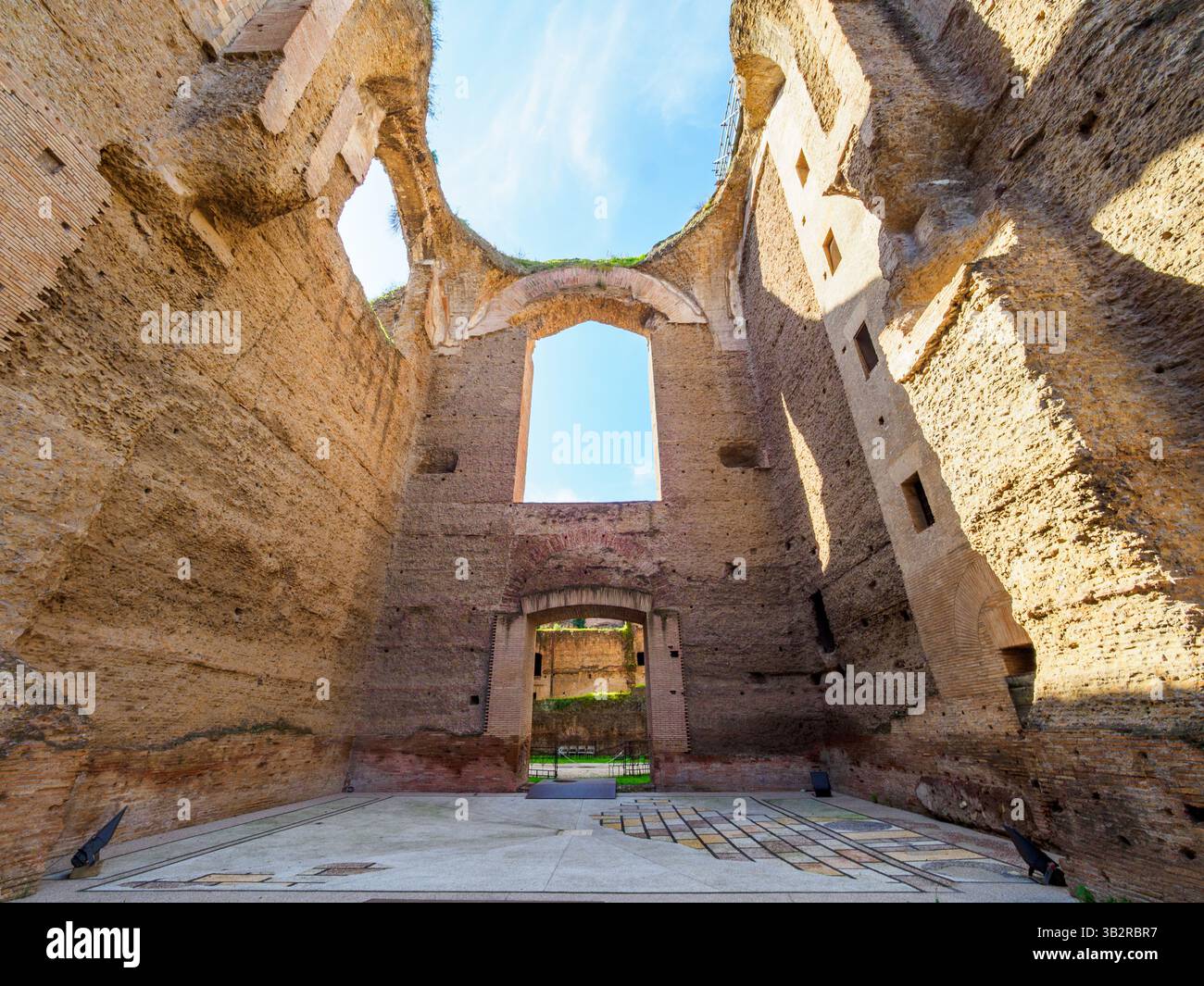
Walk through the cross-vaulted central hall where bathers once gathered
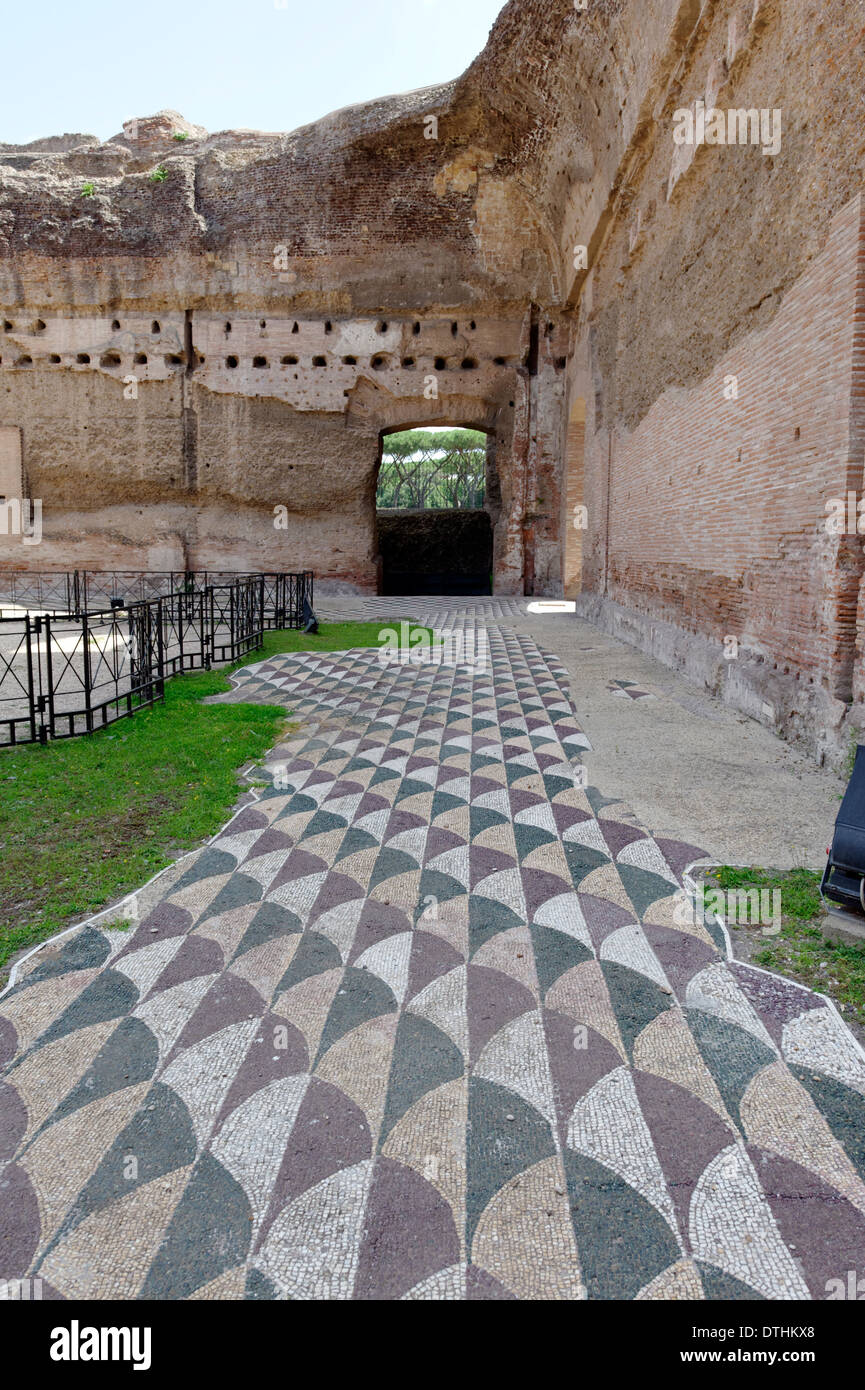
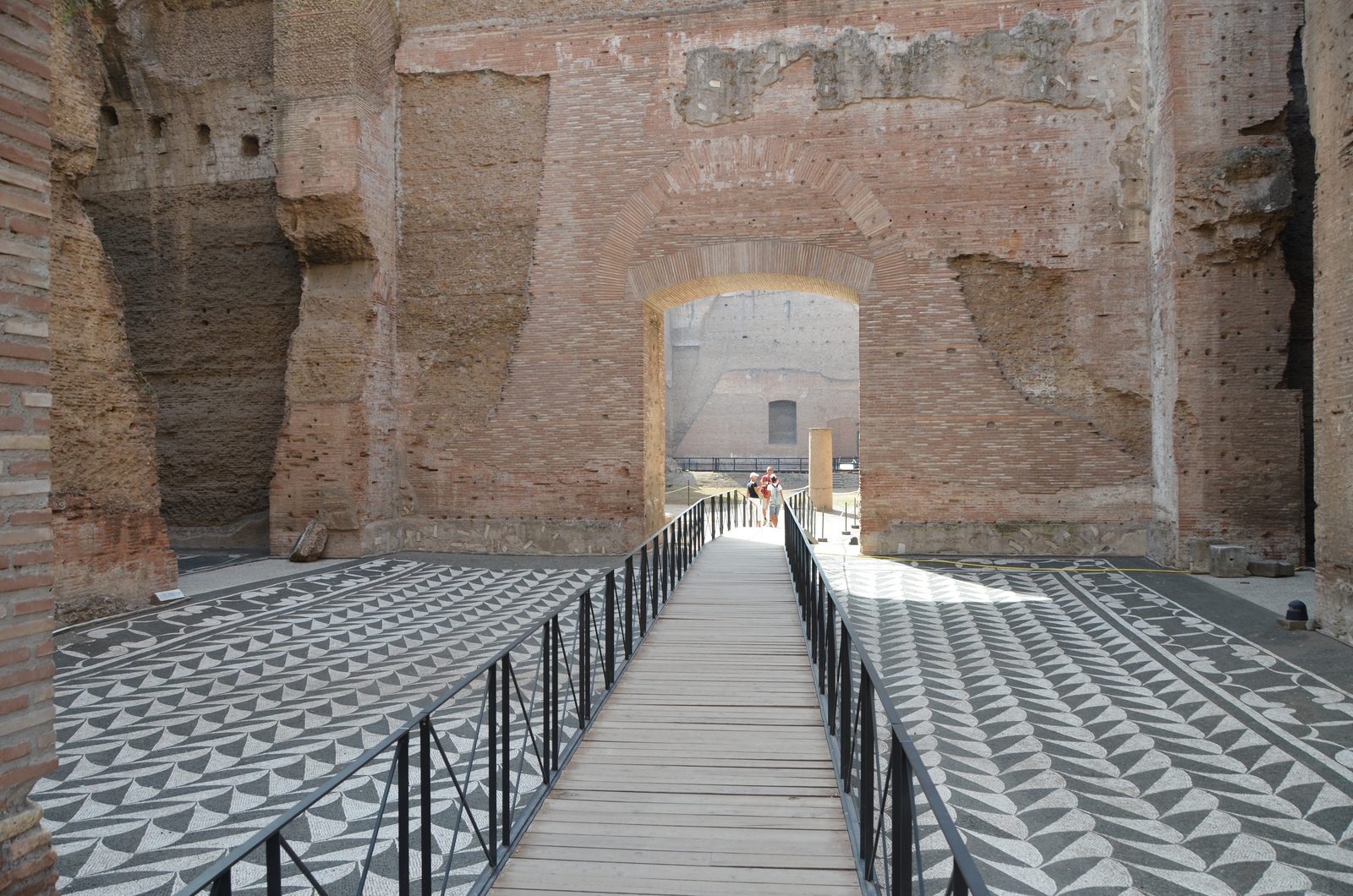
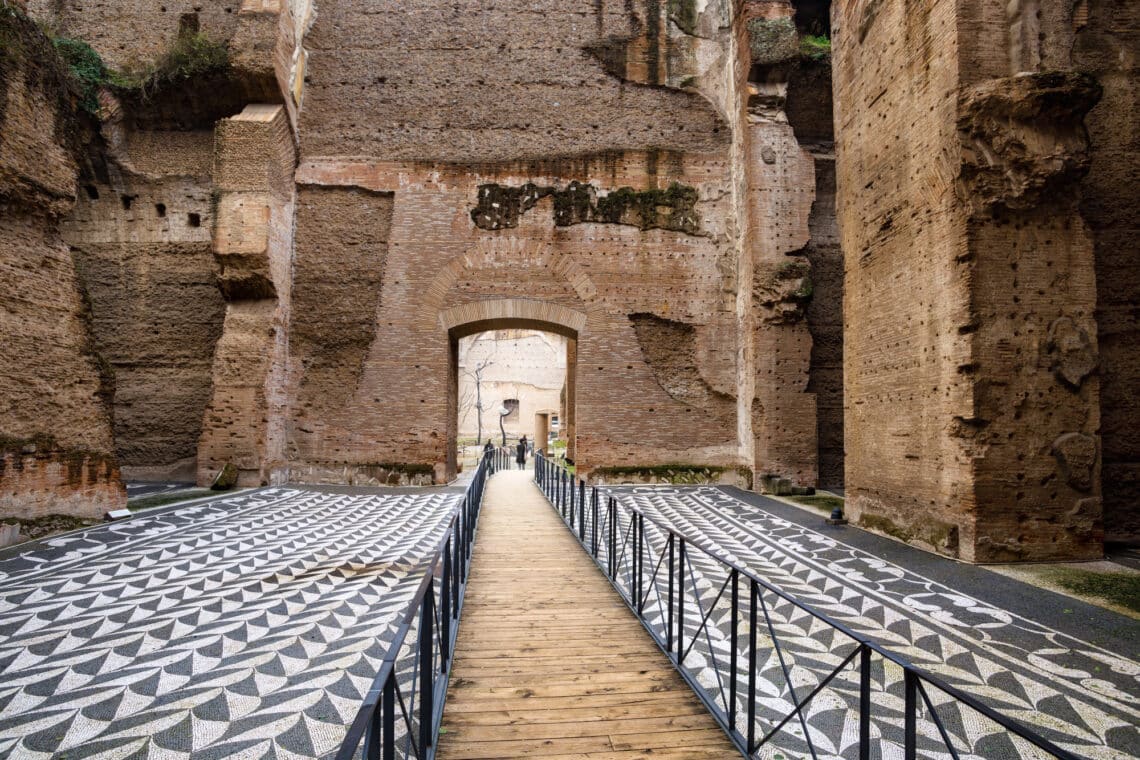
View the surviving mosaic floors in the open-air exercise courts
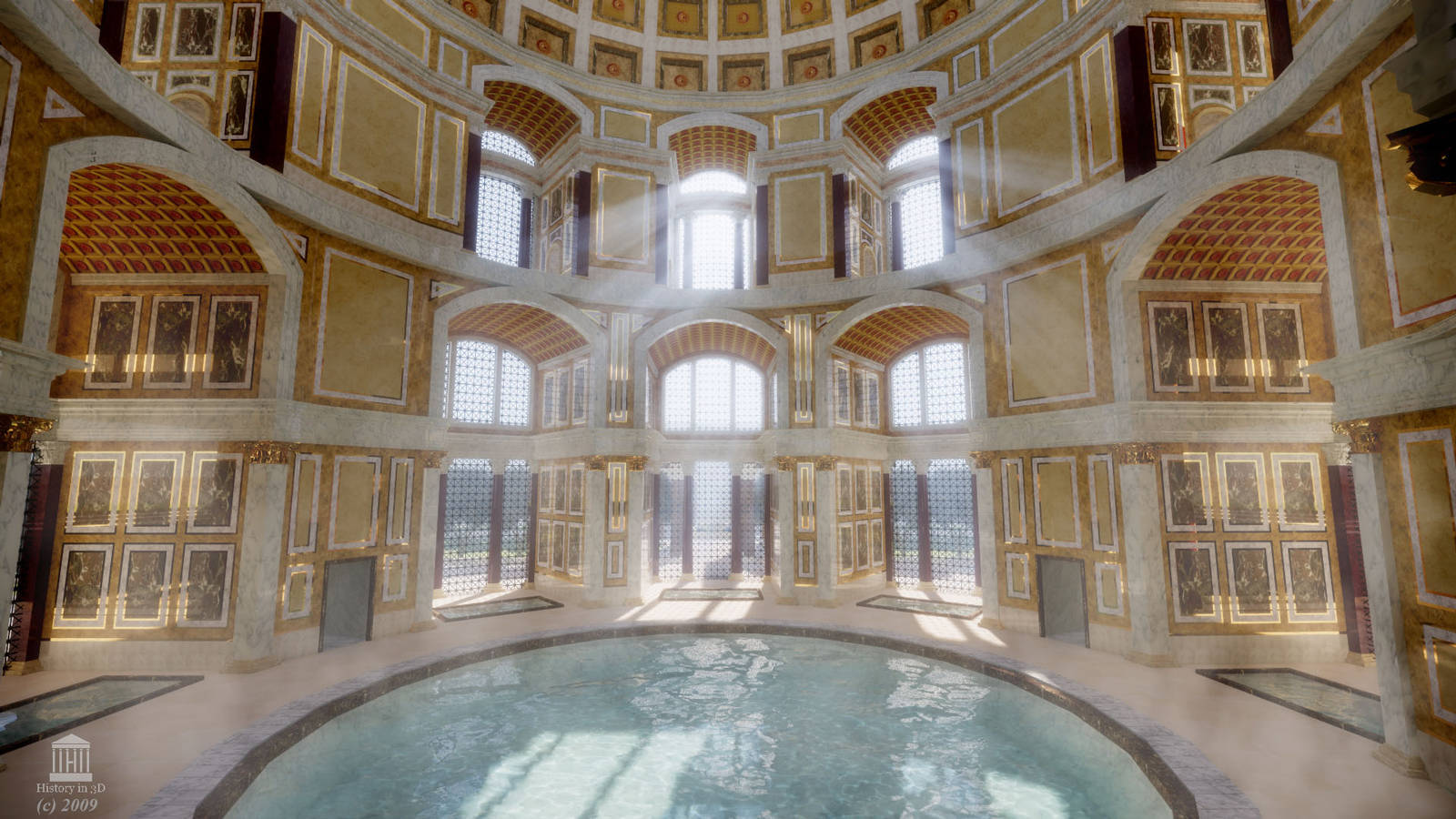
Circular hot room and adjoining warm bathing chamber
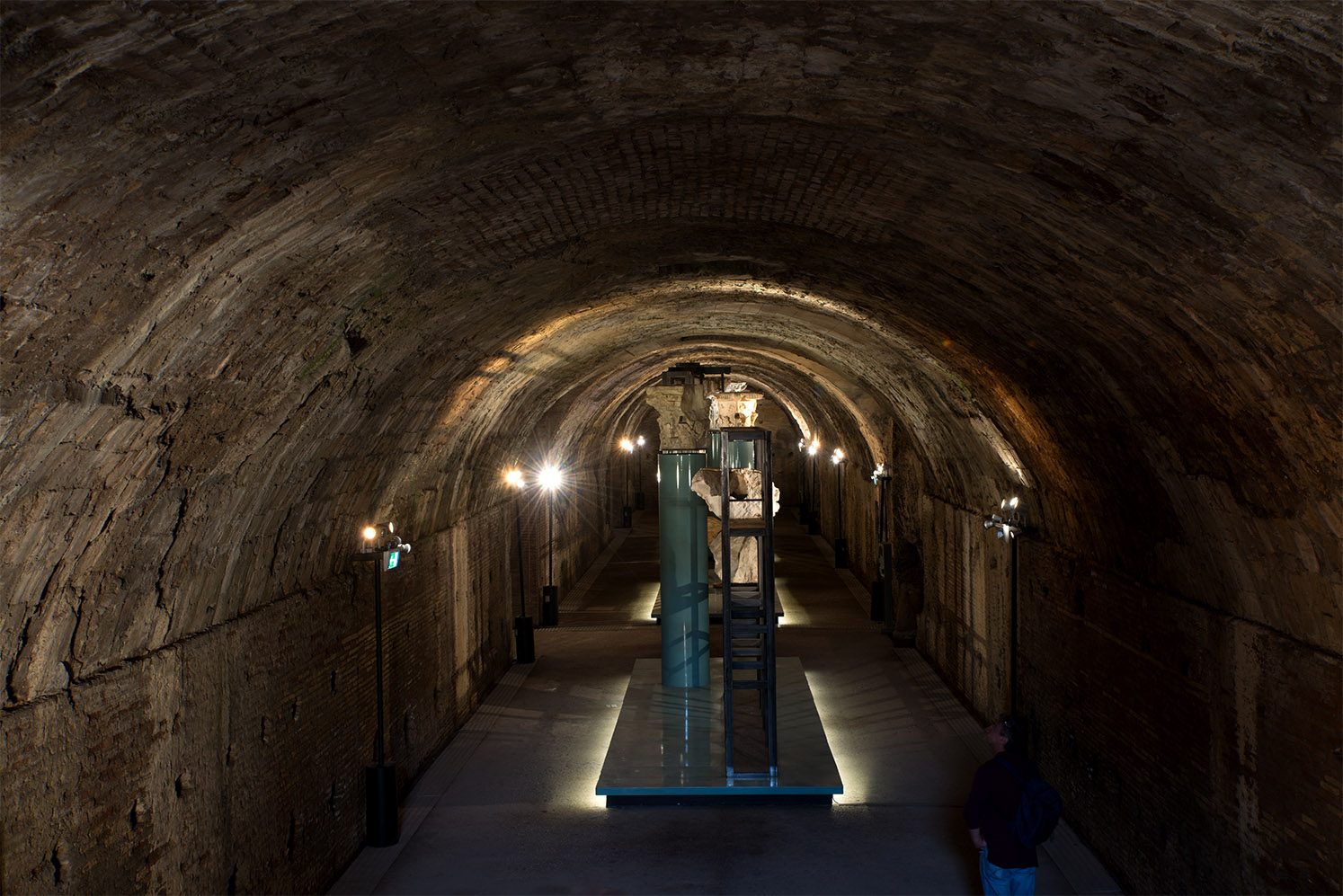
Subterranean service corridors and the largest Mithraeum in Rome
Stroll the surrounding grounds and library ruins before exiting
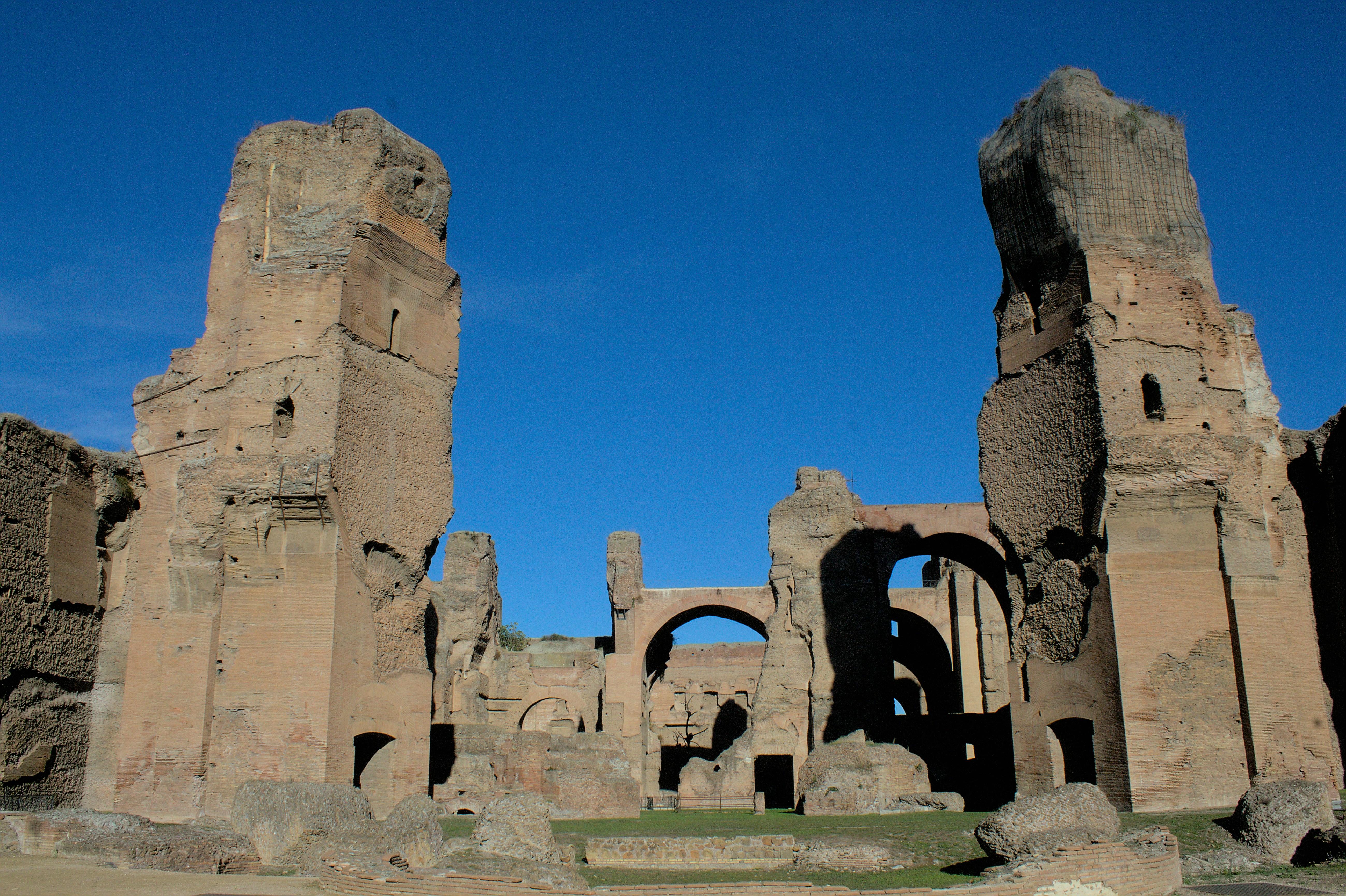
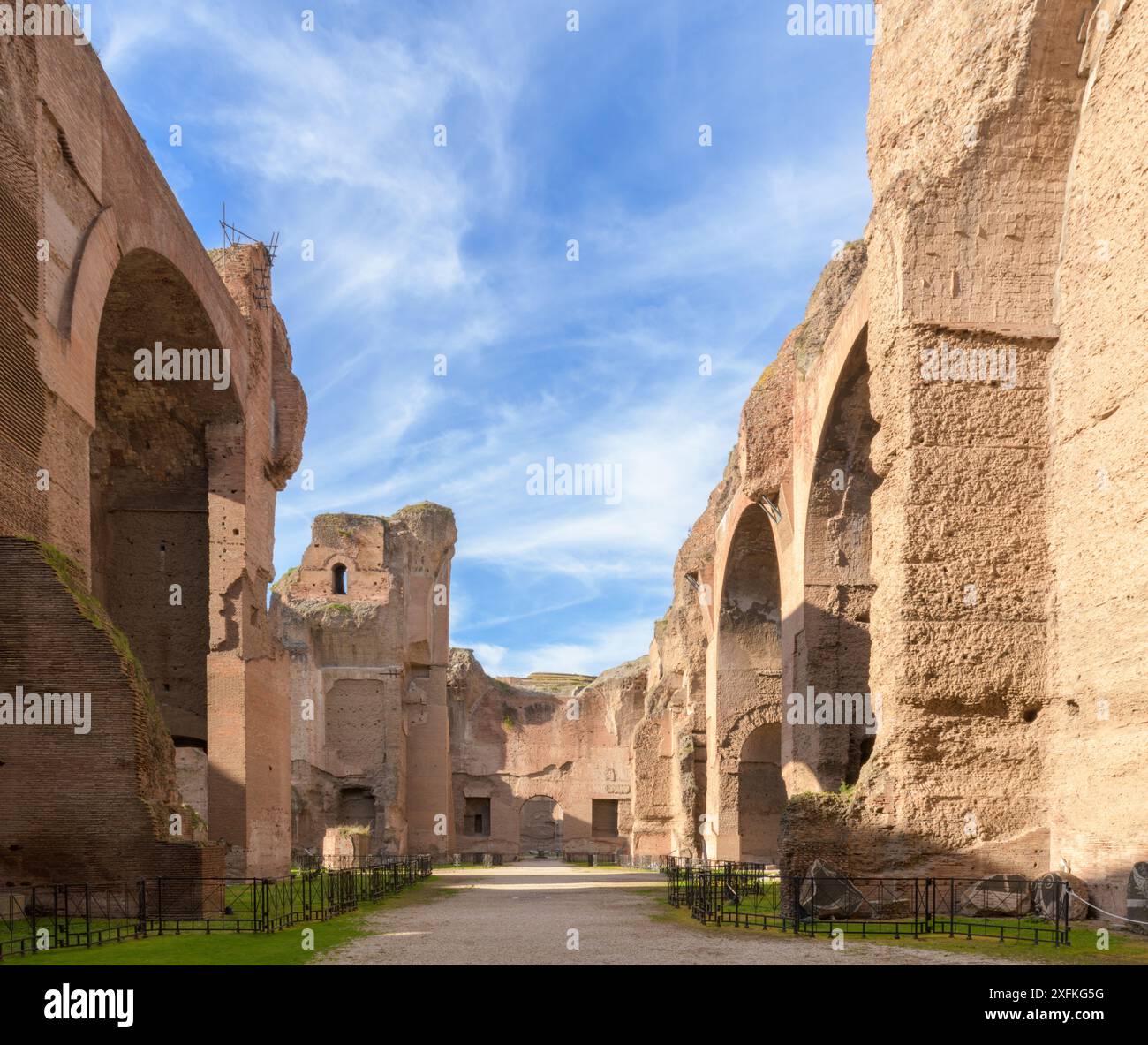
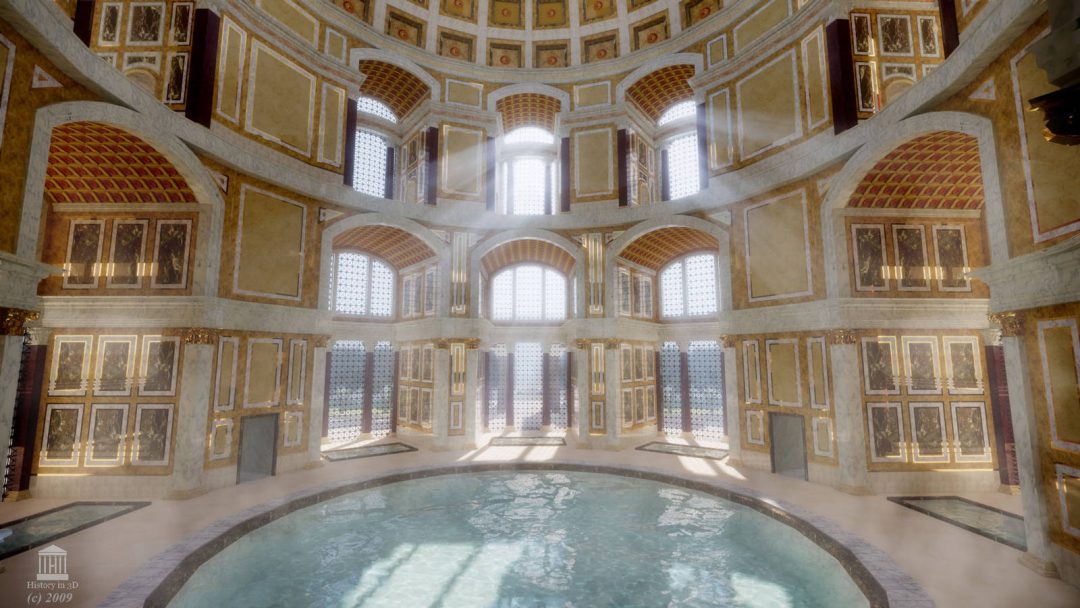
The cold-water hall sat at the center of the complex, connecting bathers to every other room via a network of cross-vaulted corridors. Its towering brick piers, some still rising several stories, once supported a roof comparable in scale to the Pantheon's dome.
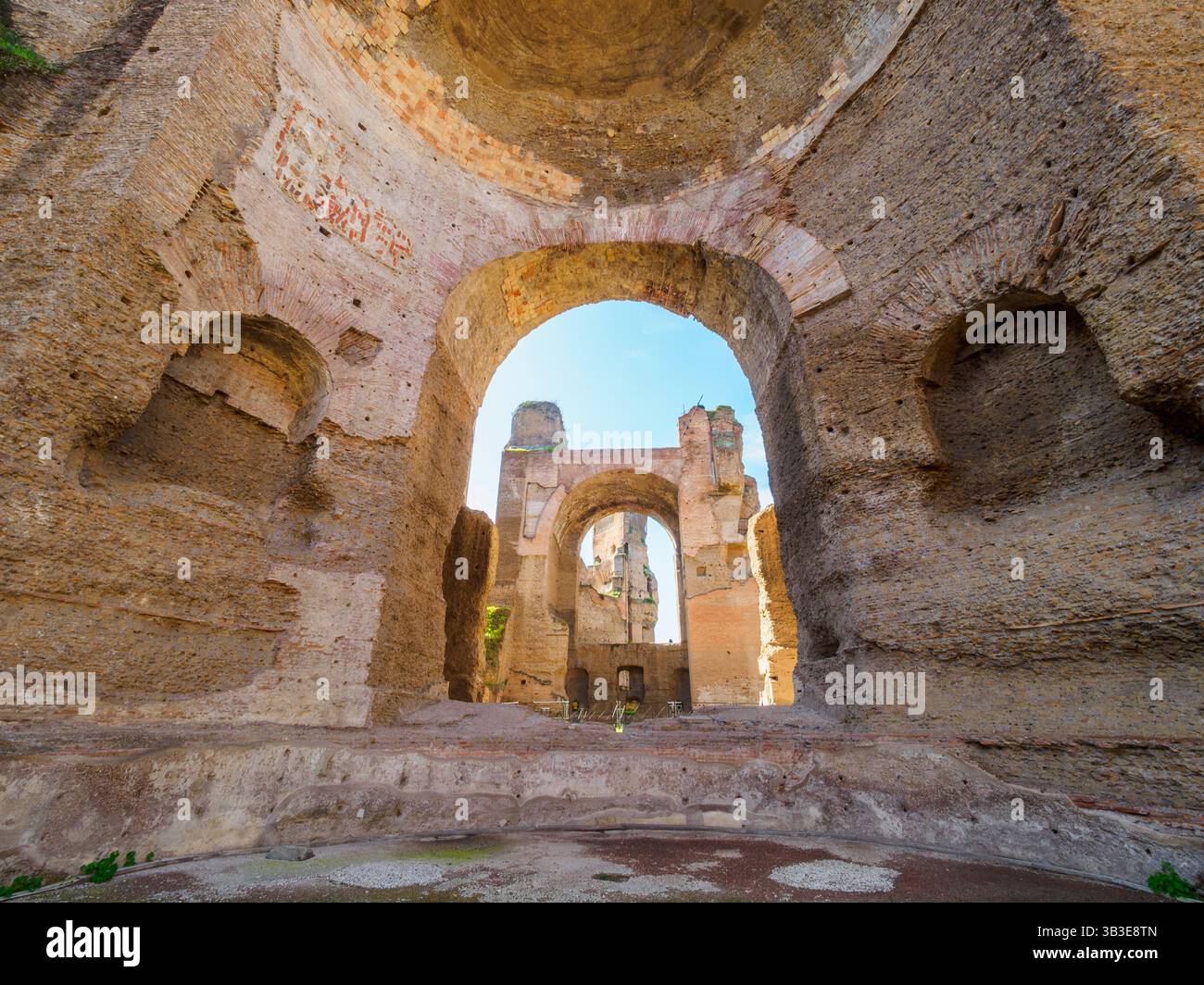
This circular hot-water chamber once held seven pools and reached temperatures near 38°C, heated continuously from below by furnace-tending slaves. Its domed design rivaled the engineering of the Pantheon on a smaller scale.
An open-air swimming pool roughly the size of an Olympic pool, flanked by walls over 20 meters high that once bore statues and mosaic niches. It served purely recreational swimming, distinct from the enclosed hot and cold bathing rooms.
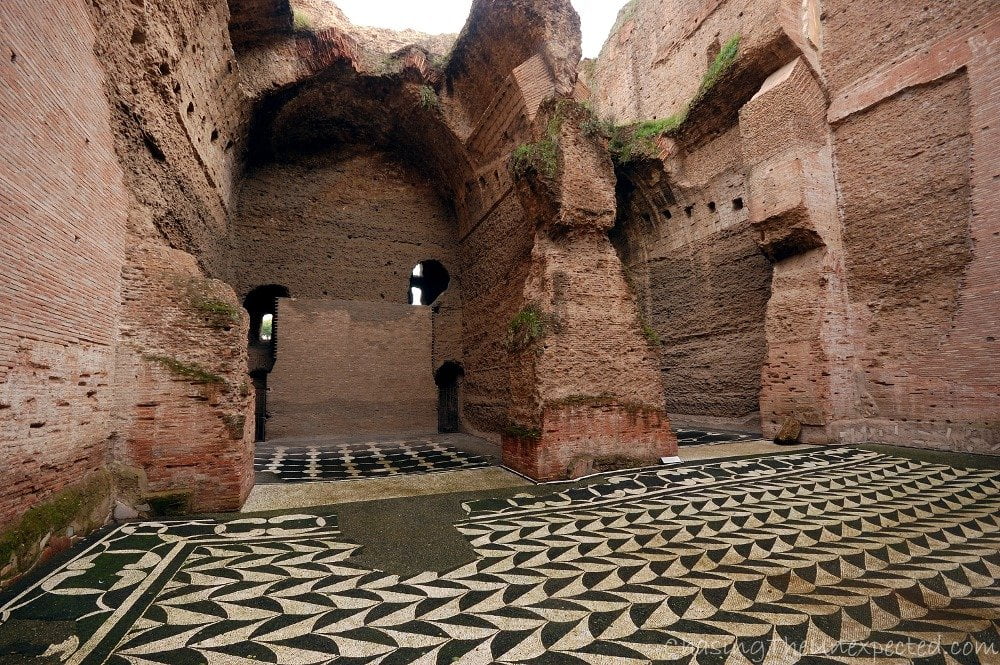
Twin open-air gymnasium courtyards flank the frigidarium, their floors once covered in vivid mosaic panels depicting athletes, wrestlers, and geometric patterns. Some of the best-preserved athlete mosaics were removed in the 19th century and now reside in the Vatican Museums.
Discovered only in 1912 beneath the main structure, this underground sanctuary to the god Mithras is the largest documented space of its kind in Rome. Its black-and-white mosaic floor and bench-lined walls still bear traces of Mithraic iconography nearly 1,800 years old.
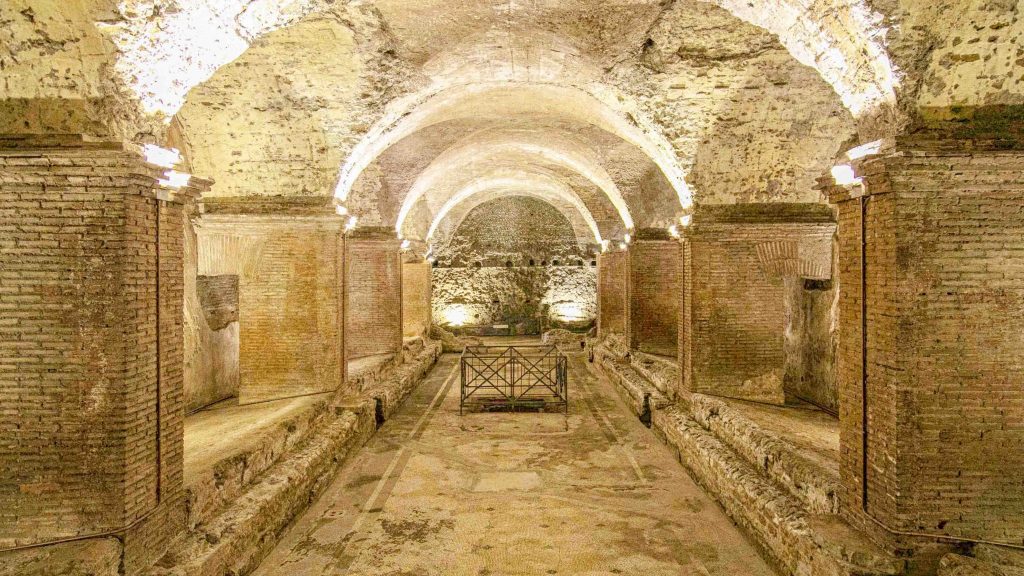
A vast subterranean network once moved fuel, water, and enslaved workers through the complex without disturbing bathers above, powering the hypocaust heating system beneath the caldarium and tepidarium floors. The tunnels are wide enough to have allowed carts to pass through them.
You arrive at Viale delle Terme di Caracalla 52 between 09:00 and 10:30, the quietest window, before the coach groups form their lines at the gate. The ticket desk takes 8 EUR for standard adult entry.
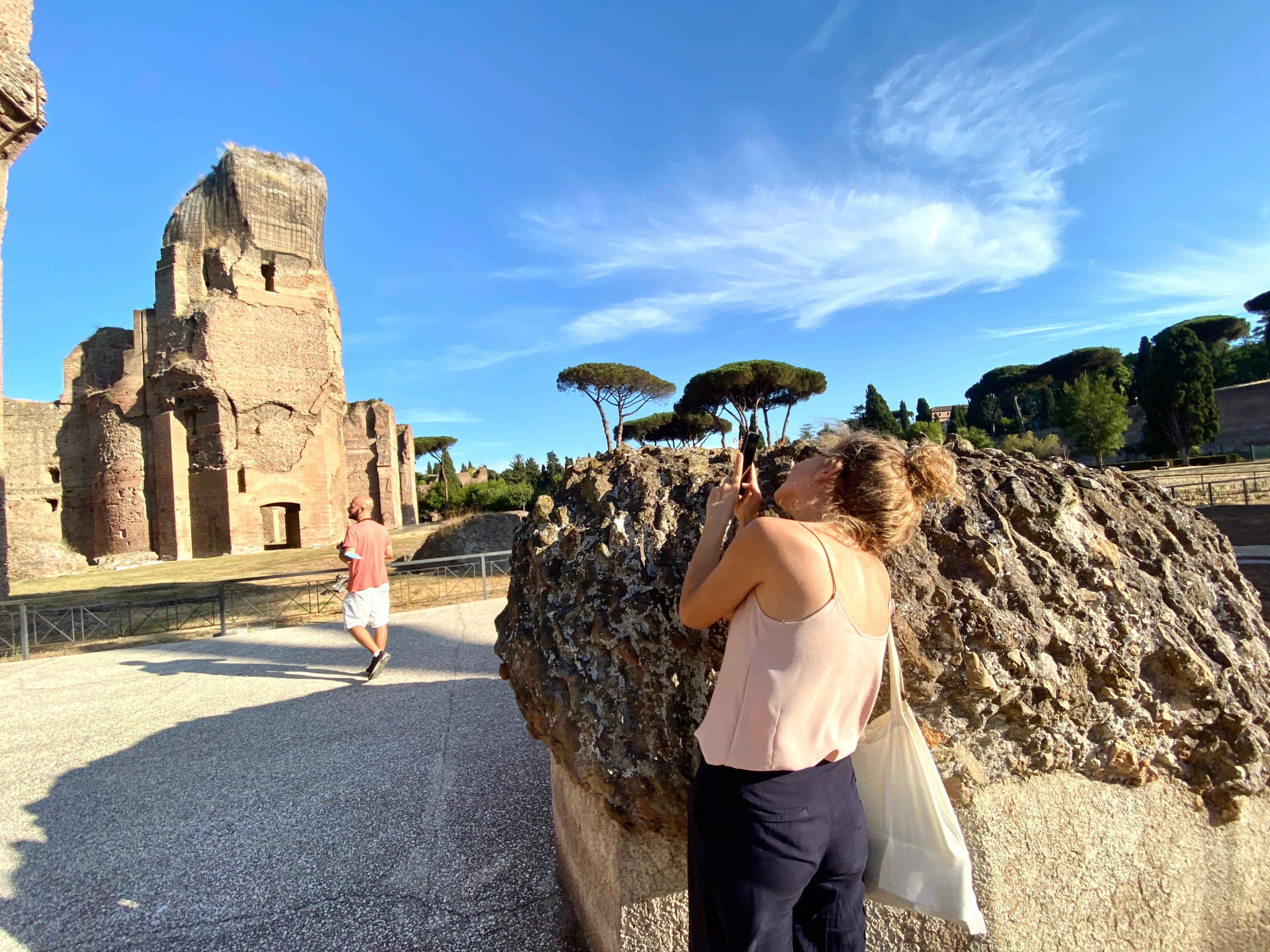
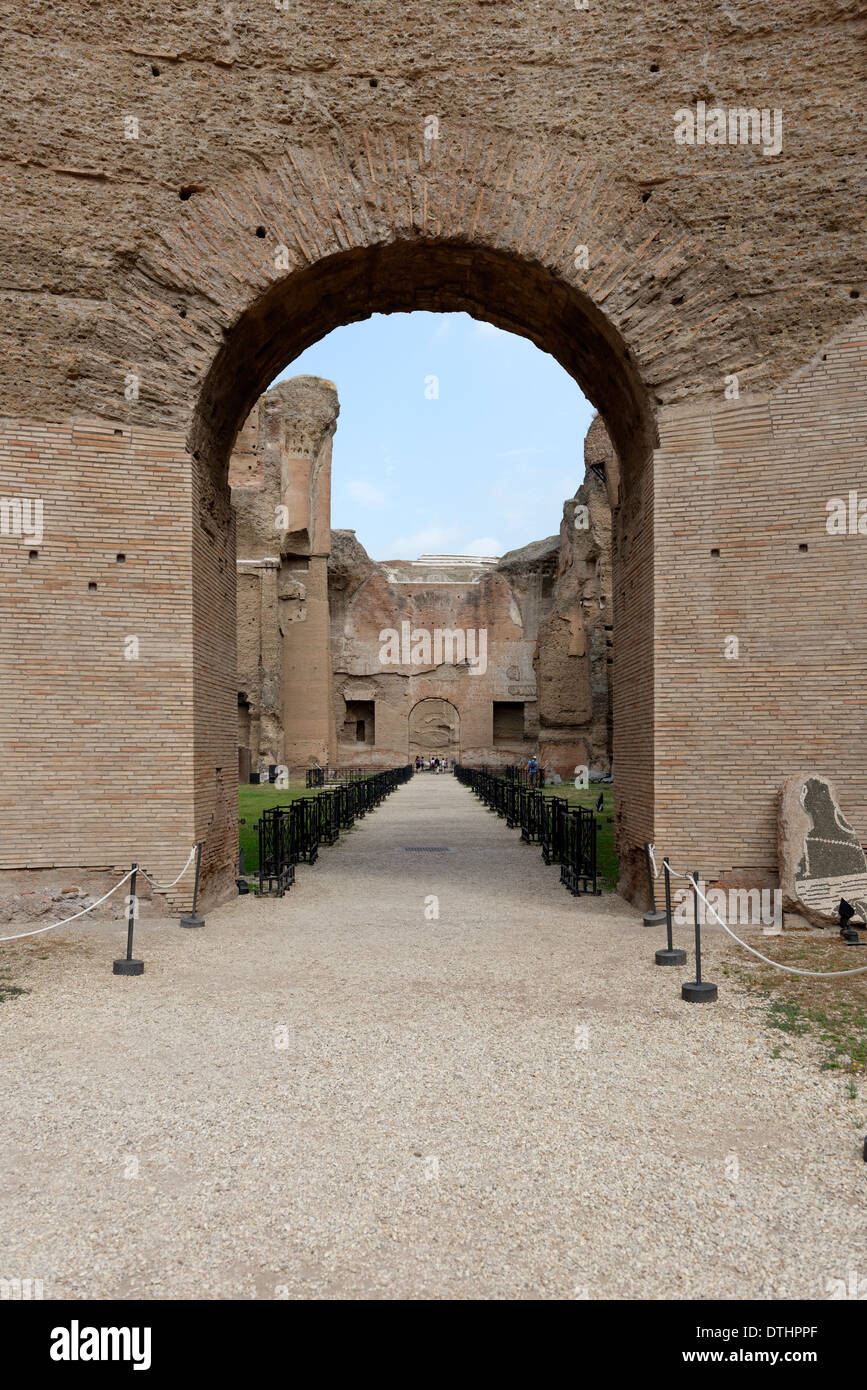
You cross a gravel apron shaded by umbrella pines, and the brick wall ahead resolves into something far taller than it looked from the road.
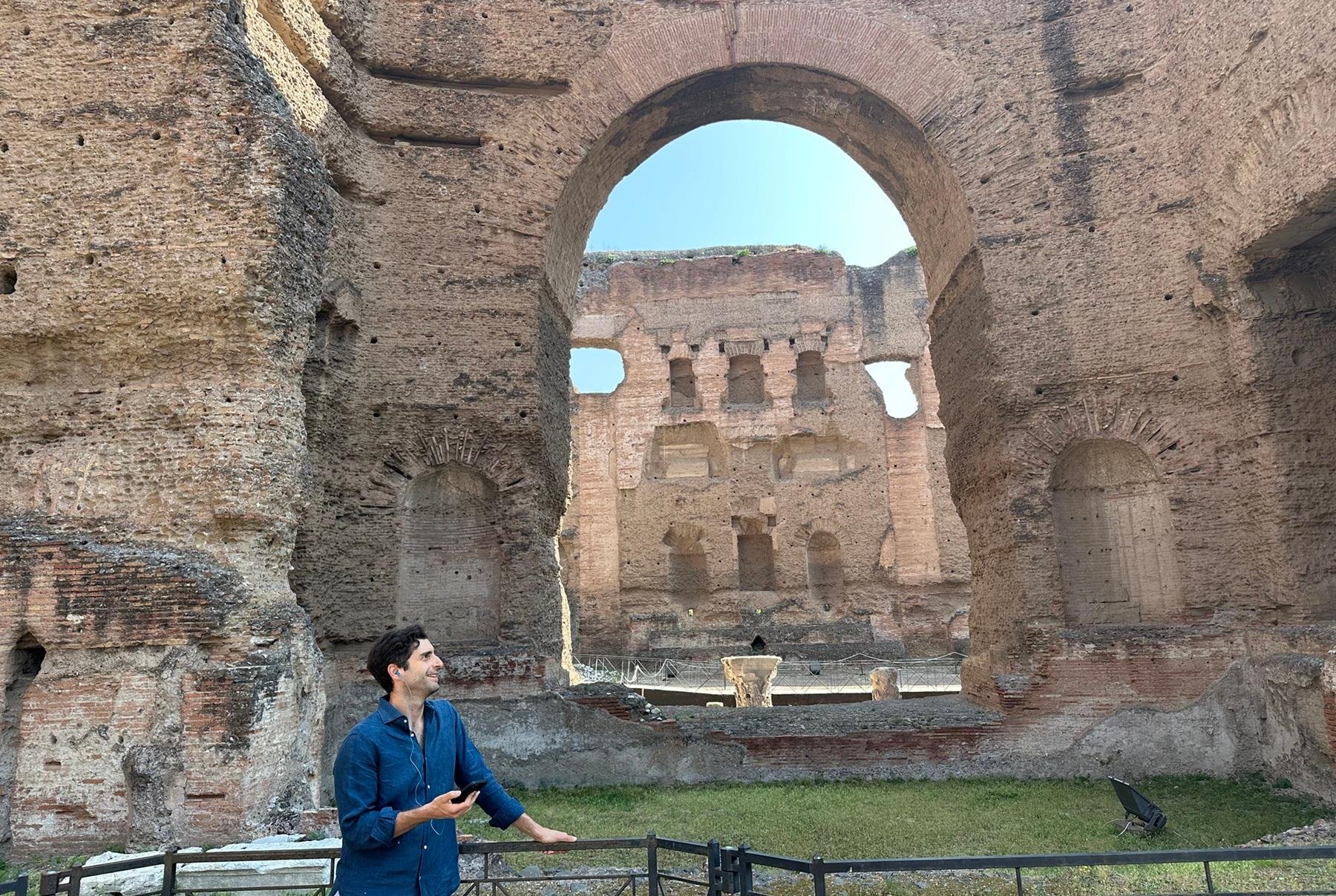
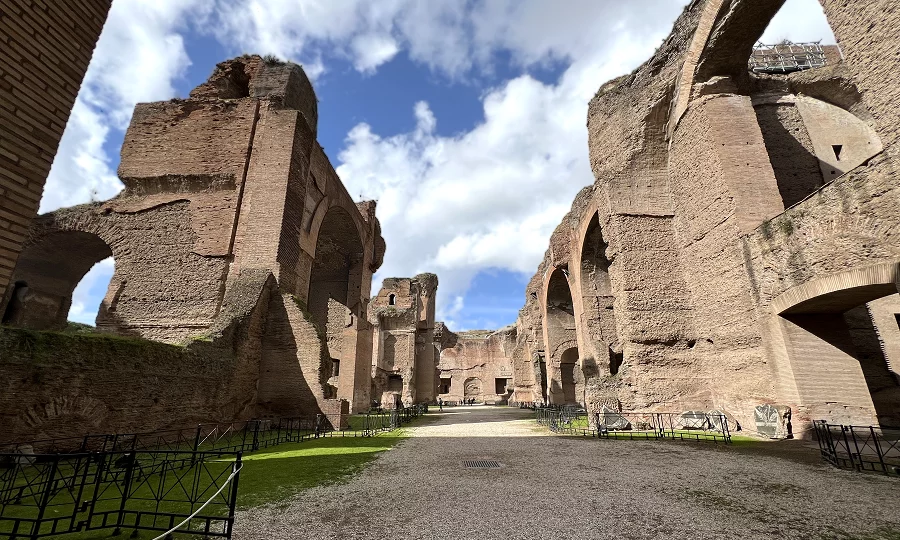
You enter through the eastern palaestra. The ground is uneven — compacted earth, exposed foundation courses, patches of restored mosaic under low railings. You look up into the frigidarium and the scale finally registers: three surviving vault springs, pigeons crossing forty metres of open air where a roof used to be. You pause at the caldarium's curved footprint, then trace the axis west, following the route bathers took in reverse.
Your Baths of Caracalla Tickets may include the subterranean level, reached by a modern staircase near the service corridor. Down there the temperature drops noticeably and the air smells of wet stone. You walk the furnace tunnel, then stop at the Mithraeum, where the floor pit sits behind glass.
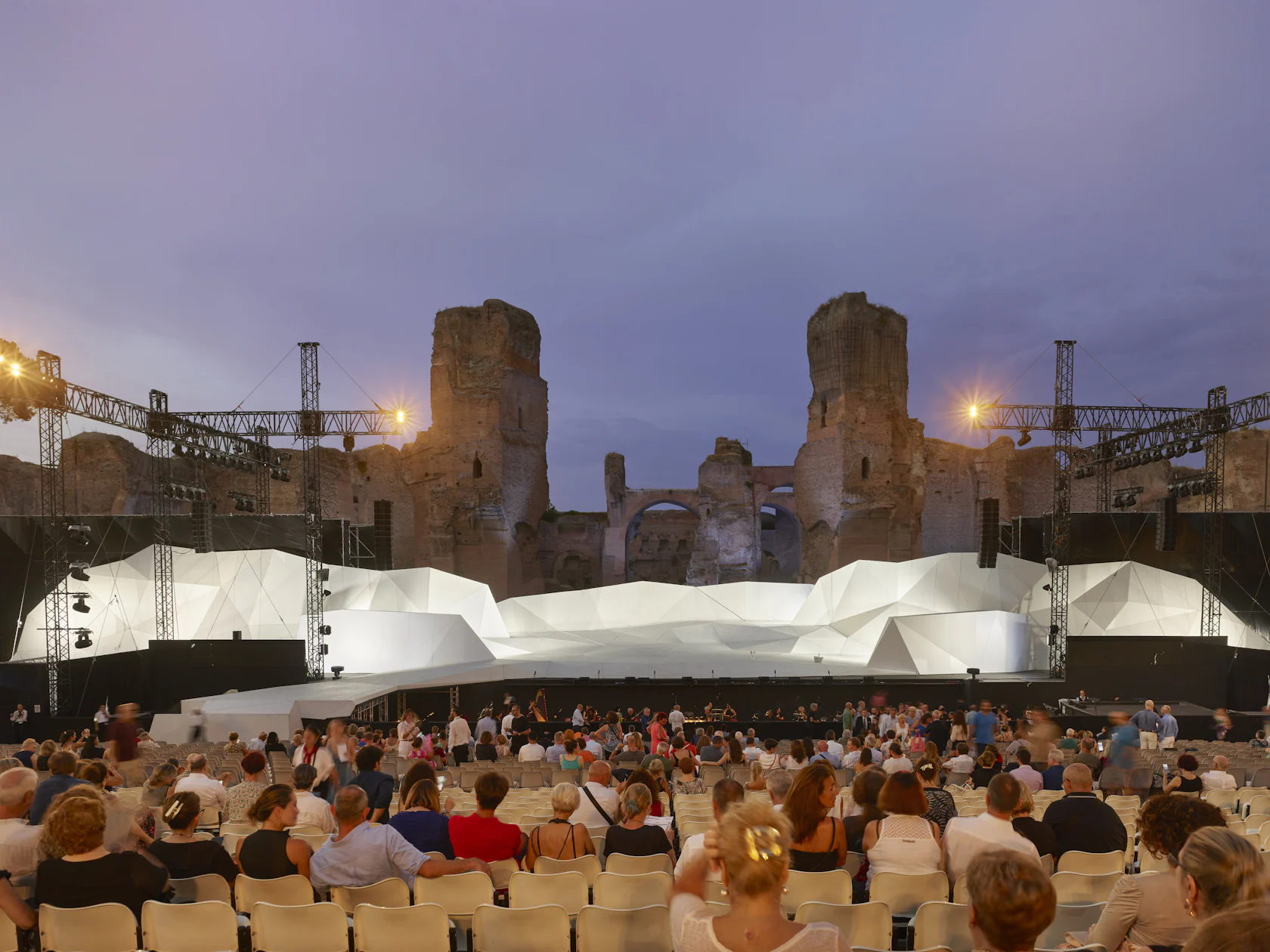
Back in daylight, you circle the northern edge of the ruins. Summer staging for the opera season occupies part of the field, scaffolding rising against Severan brick. You leave by the same gate, the Aventine hill on your right.
All the details about your upcoming adventure in one place
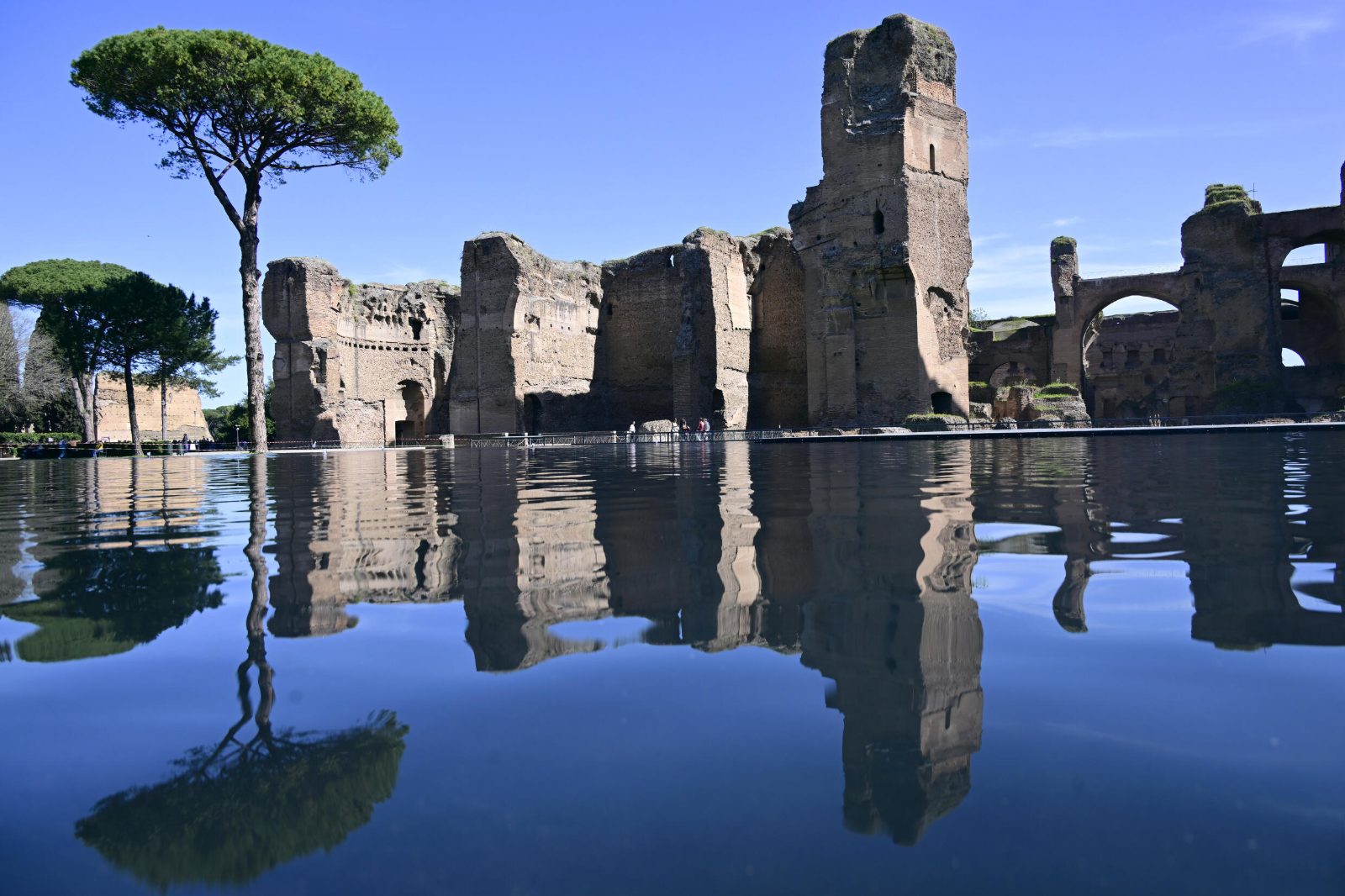
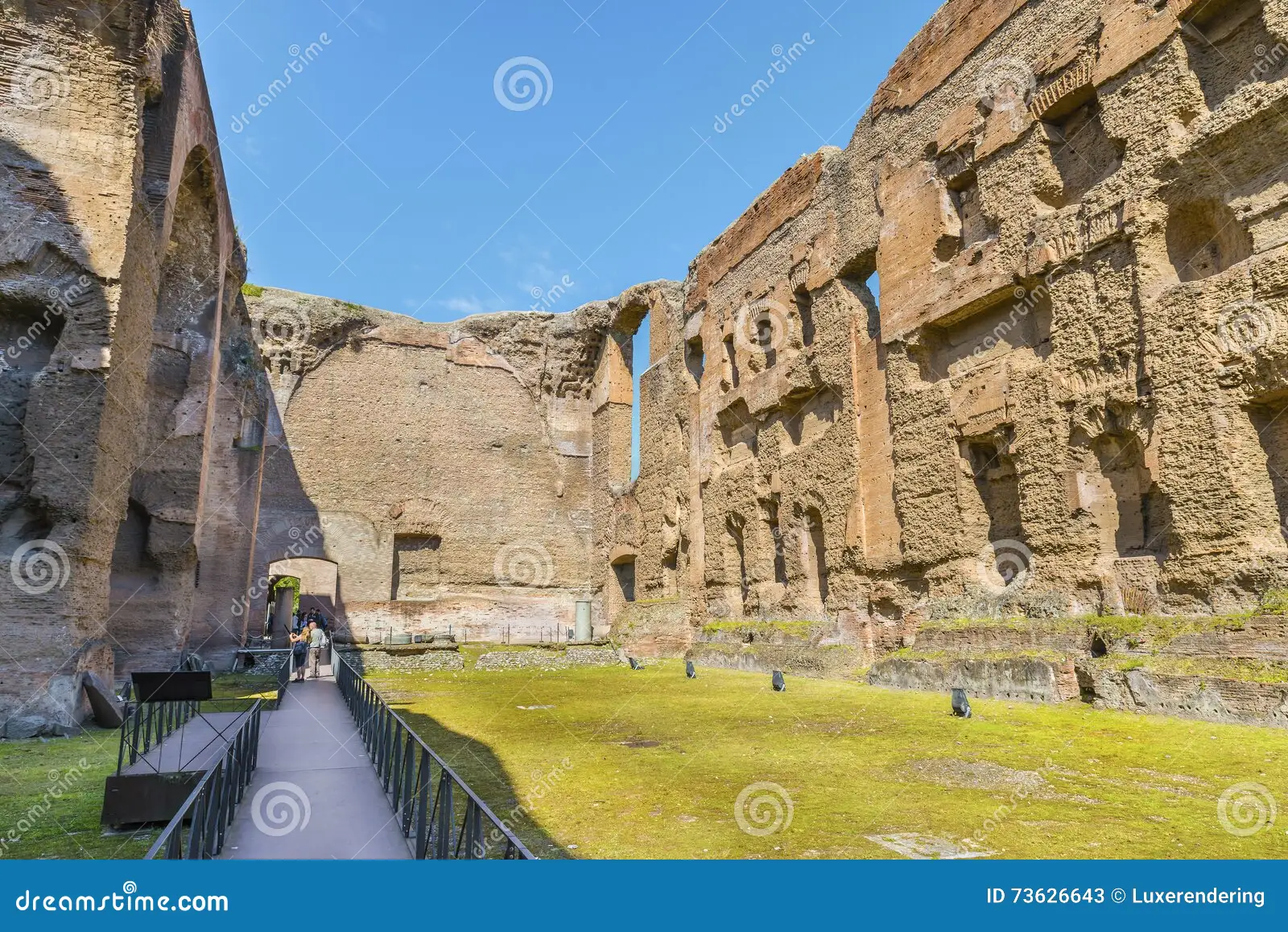
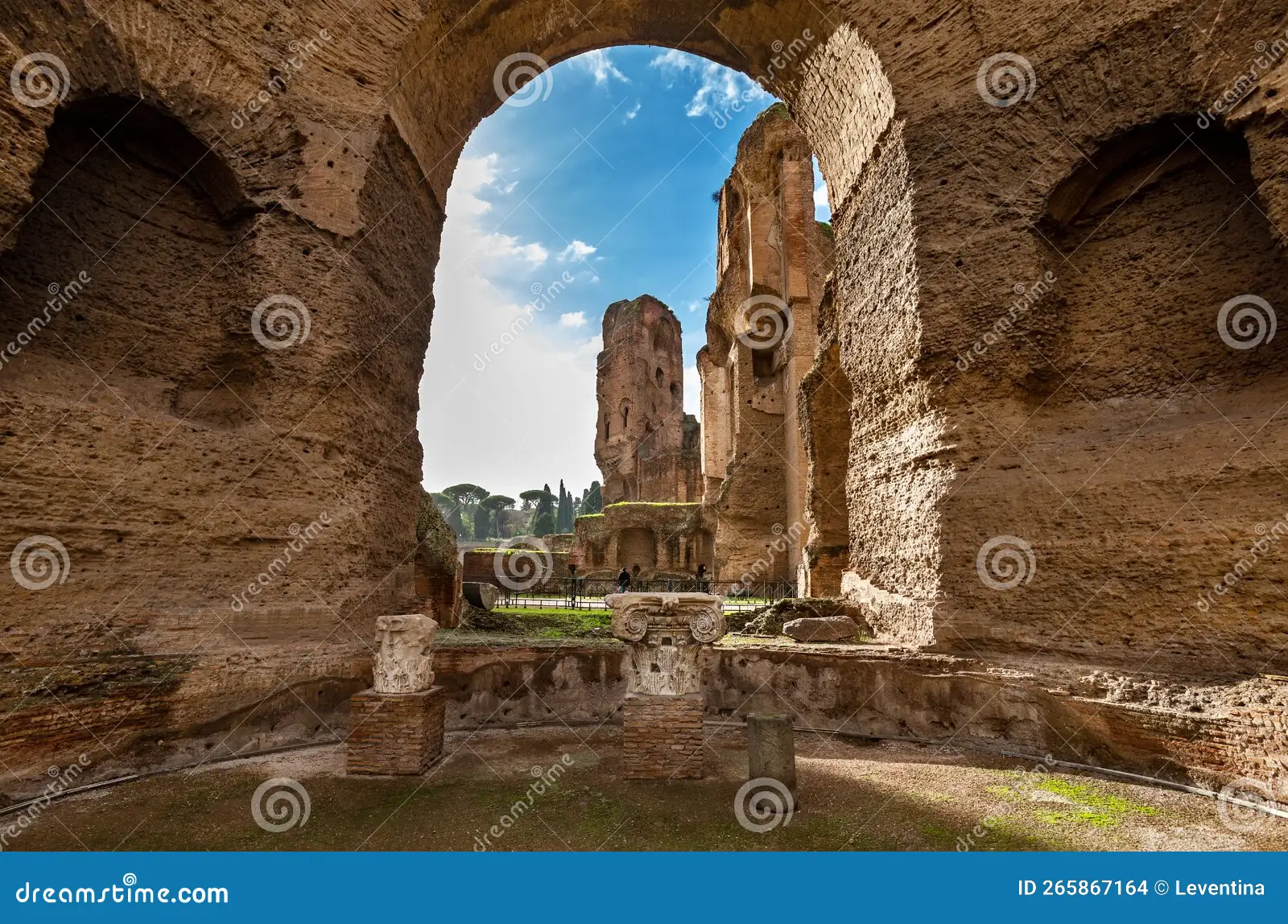
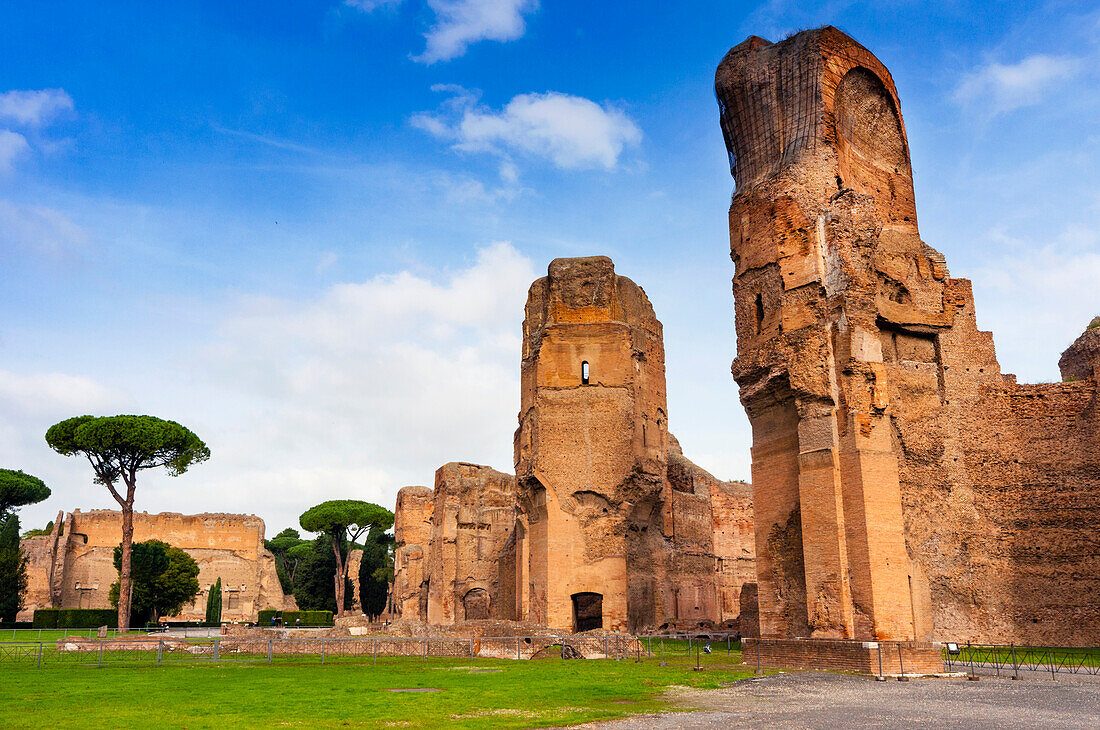
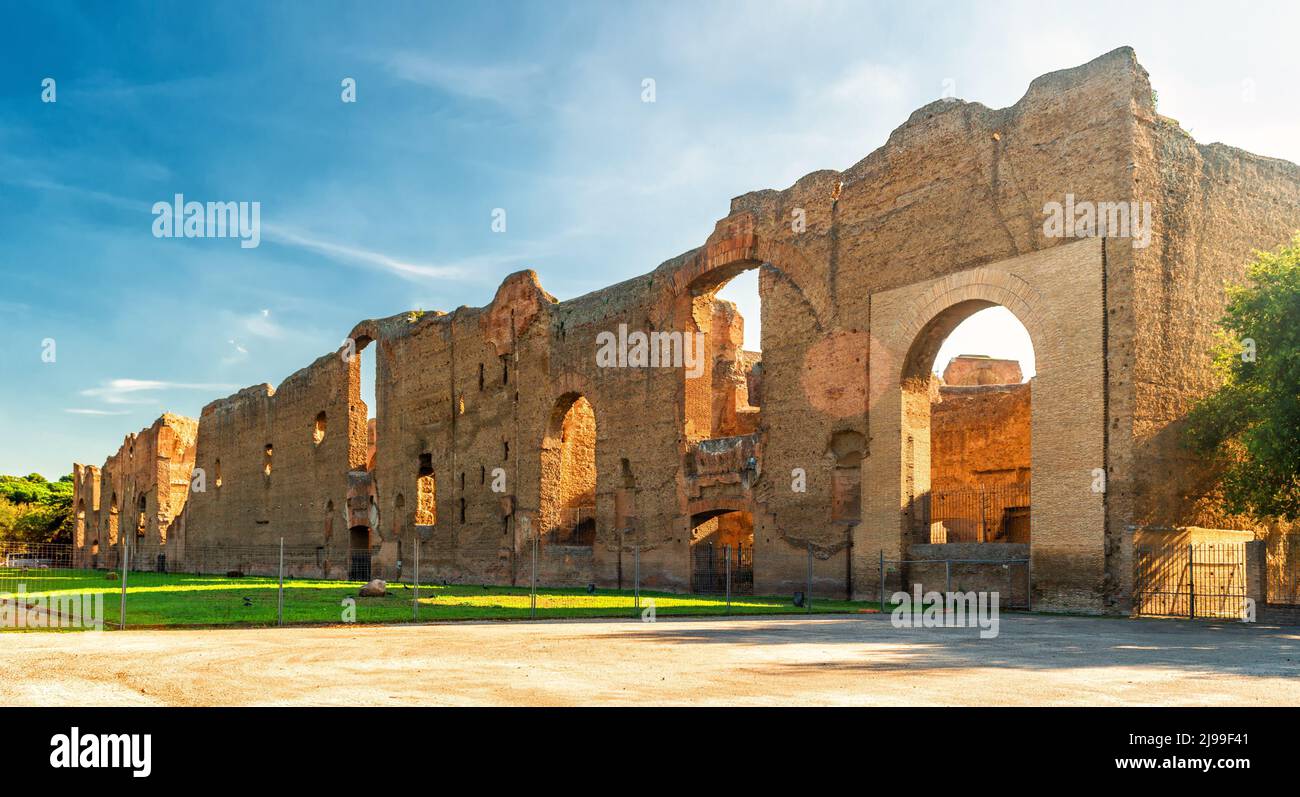
Built under Emperor Caracalla in the early third century, the Terme di Caracalla still stand as brick-and-concrete walls rising nearly 30 metres above the Aventine slope, with fragments of mosaic floors and the outlines of the frigidarium, tepidarium and caldarium clearly readable. Baths of Caracalla Tickets cover the archaeological grounds, the surviving underground service tunnels and the summer opera season staged among the ruins. Many visitors pair Baths of Caracalla Tickets tours with the nearby Appian Way, since both sit just south of the Circus Maximus and away from the busiest Rome landmarks.
The vaults that survive here stood roughly 38 metres high, and they are only the skeleton of what Rome once considered ordinary municipal plumbing.
Commissioned under Septimius Severus and inaugurated by his son Caracalla in AD 216, the complex covered around 25 hectares and could serve some 1,600 bathers at once. Water arrived by a dedicated branch of the Aqua Marcia, the Aqua Antoniniana, and was heated by furnaces feeding hypocaust channels beneath the floors. The system ran for more than three centuries, until the Ostrogoths severed Rome's aqueducts in AD 537.
What remains matters because scale here is legible in a way it rarely is elsewhere. Visitors holding Baths of Caracalla Tickets walk through a ruin that has lost its marble revetment, its mosaics of athletes, its colossal statuary — the Farnese Hercules and Farnese Bull both emerged from this soil in the sixteenth century and now sit in Naples. Stripped, the architecture reads more clearly: the frigidarium's cross-vaulted hall, the circular caldarium some 35 metres across, the symmetrical palaestrae flanking a central axis. Michelangelo studied these springing arches. So did the engineers who shaped Pennsylvania Station in New York, modelled directly on the frigidarium.
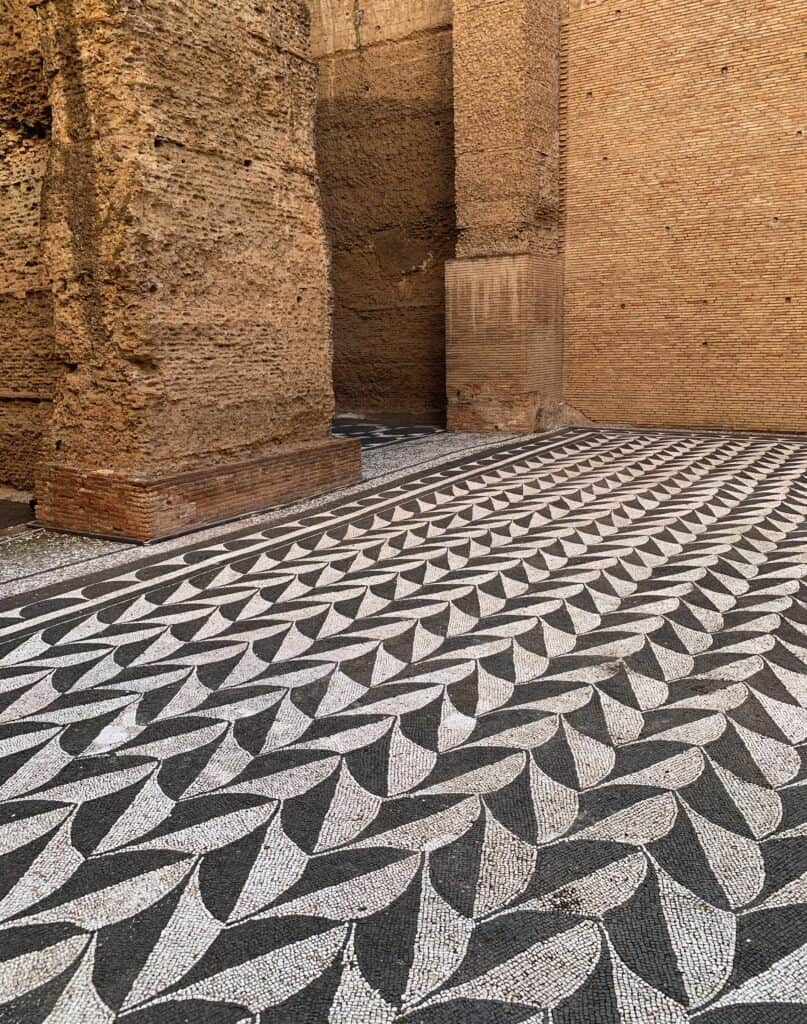
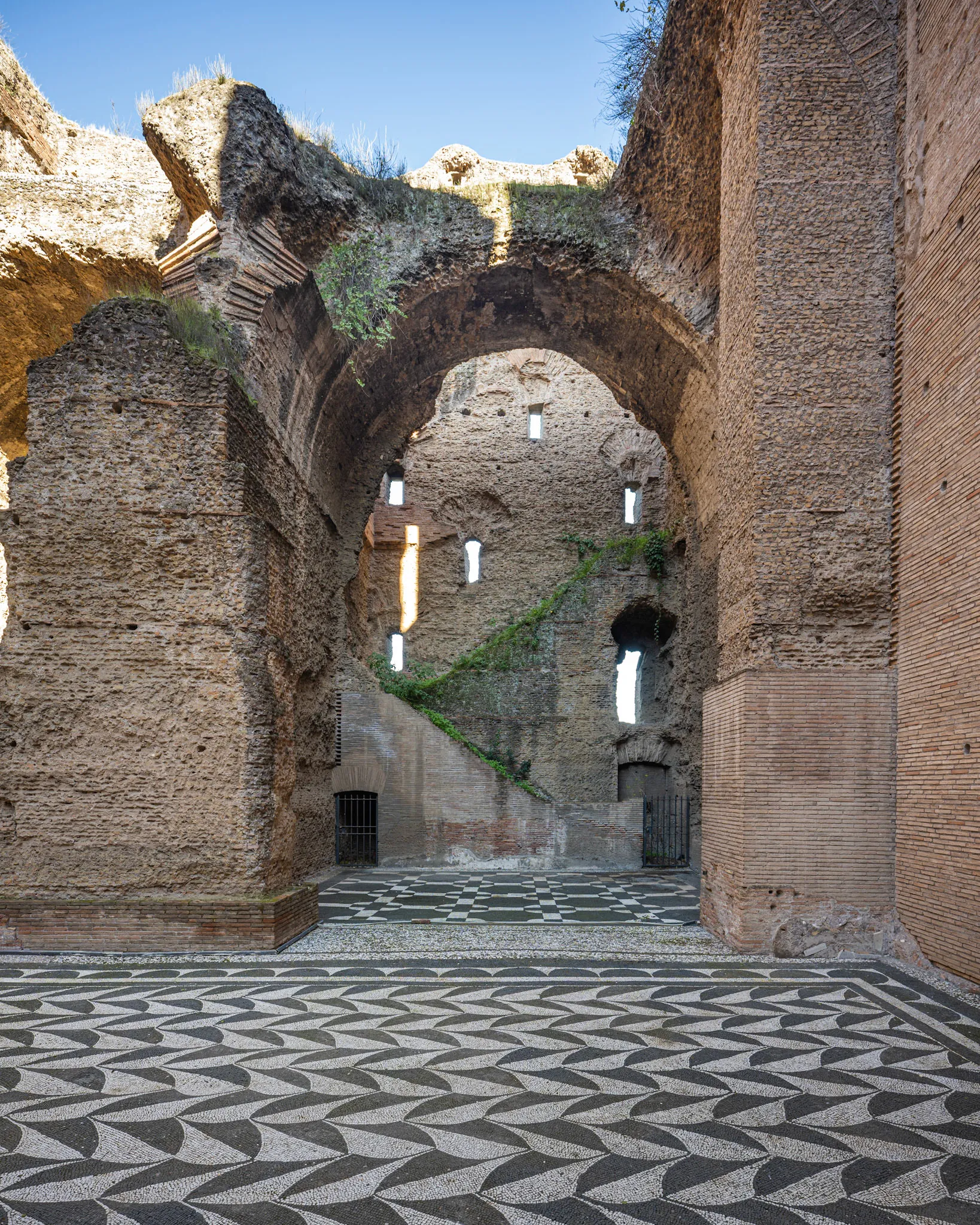
The site is not only masonry. Beneath the bathing halls runs a service city — nearly six kilometres of subterranean galleries where slaves hauled wood to the furnaces, and where a Mithraeum, the largest known in Rome, survives with its ritual pit intact. Above ground, restored polychrome floor mosaics have returned to view in recent seasons, and the gymnasium areas retain fragments of the original opus sectile paving.
Today the archaeological park sits on the edge of the Appian Way regional park, a green corridor between the Aventine and Porta San Sebastiano. Since 1937 the ruins have served as an open-air opera venue for the Teatro dell'Opera di Roma, whose summer season places Verdi and Puccini against Severan brickwork. That dual identity — protected monument and living stage — shapes how the site is managed and how Rome ancient landmarks are interpreted more broadly.
Entry costs 8 EUR for a full-price adult ticket. Doors open at 09:00 daily, with closing at 14:00 on Mondays and 19:15 from Tuesday through Sunday, though seasonal variation applies. Guided Baths of Caracalla Tickets tours typically add the underground galleries and Mithraeum, sections that are otherwise unavailable, and remain the fullest way to read a building designed to impress a city that was already difficult to impress.

Stripped of marble, the architecture reads more clearly than it ever did when it was finished.
There is no formal dress code at the Baths of Caracalla, since it's an archaeological site rather than a place of worship. Closed-toe shoes with good grip are strongly advised, as the ground shifts between smooth stone, gravel, and uneven ancient brick. In summer, light and breathable clothing helps, since the open-air ruins offer little relief from the heat.
Bags are inspected at the entrance gate on Viale delle Terme di Caracalla, and large backpacks or suitcases are not allowed inside the ruins. Security staff check bag contents rather than running visitors through metal detectors, so keep valuables in a small daypack. There's no dedicated left-luggage counter on site, so plan to travel light.
Personal photography and video for non-commercial use are permitted throughout the site, including in the underground galleries and the Mithraeum. Tripods and professional rigs generally require advance permission from the Parco Archeologico office. Flash can be restricted in the more fragile mosaic areas, so check signage as you move between rooms.
Children under 18 from EU countries enter free, and strollers can be used on the main paved paths but struggle on the gravel and broken stone sections further into the site. There are no dedicated play areas, so younger children tend to do best with a shorter, guided loop of the central halls.
The main circulation route through the frigidarium and central halls is wheelchair-accessible with ramps at key points, though some peripheral areas and the underground tunnels involve steps and uneven ancient flooring. Accessible restrooms are available near the entrance. Visitors with mobility needs can ask staff at the ticket gate about the best route through the ruins.
No food is sold inside the archaeological area, and picnicking within the ruins isn't permitted. Bottled water is allowed and recommended, especially in summer, but there are no cafés or refreshment kiosks once past the ticket gate. Visitors should eat before entering or bring a sealed water bottle to refill if a fountain is available near the entrance.
Shortest hours, quiet afternoon closure
Mid-week, typically lighter footfall
Busier with weekend visitors
First Sunday of month sees free entry crowds
Hours today
09:00–19:15 (Mon: 09:00–14:00)
Address
Viale delle Terme di Caracalla 52, 00153 Roma RM, Italy
Access
Main routes wheelchair-accessible; uneven ancient paving in places
Sun exposure
Little shade across the ruins; sunscreen and a hat recommended
Bag policy
Large backpacks and luggage not permitted; bags checked at entry
Nearest landmark
2 km south of the Colosseum, near Circus Maximus
Public transport · 20-25 min from central Rome · Standard Metro fare, around 1.50 EUR
Take Metro Line B to Circo Massimo station, then walk roughly 10–15 minutes along Viale Aventino and Viale delle Terme di Caracalla to the entrance.
Car · Varies with traffic · Street parking approx. 1-2 EUR/hr
Driving is discouraged due to ZTL restricted zones in the historic centre and limited parking near the site.
Walk · 15-20 min · Free
From the Colosseum, it's a level walk south past Circus Maximus to reach the entrance.
Bus · 15-30 min depending on route · Standard bus fare, around 1.50 EUR
Bus lines 118, 160, and 628 stop close to the entrance gate.
Tickets can generally be cancelled or rescheduled up to 24 hours before the visit slot for a full refund of the 8 EUR entrance fee; no-shows and late cancellations are typically non-refundable. Always check the specific cancellation window shown at the time of purchase, since some resellers apply stricter terms than the official ticket office.
Recommended time
1.5-2.5 hours
Most travelers need 1.5 to 2 hours to walk the frigidarium, caldarium, natatio, and underground passages at a comfortable pace, while those booking one of the Baths of Caracalla Tickets tours with an audio guide should budget closer to 2.5 hours. Add extra time if you plan to linger over the mosaics or explore the surrounding gardens. Arriving at opening keeps queue waits minimal, since lines lengthen fast once mid-morning tour groups converge on the entrance. This isn't a rigid itinerary, just a rhythm: the site rewards an unhurried pace more than a race through every room, and skip-the-line Baths of Caracalla Tickets tickets help sidestep the worst bottlenecks near the ticket booth.
Crowd levels through the day
Weather · crowds · average price — dots go green to amber to red as each metric rises.
March through May bring mild temperatures around 15–22°C and lighter crowds than summer, making this the most comfortable season to explore the exposed ruins on foot.
June through August is peak season with hot weather often exceeding 30°C and the largest crowds; evening opera performances run during these months for a cooler alternative.
September and November offer a second quiet window with pleasant weather in the high teens to low 20s Celsius, similar to spring in terms of comfort and lower visitor numbers.
December through February sees the fewest visitors and coolest temperatures around 8–14°C, with earlier sunset-driven closing times.
Purchasing Baths of Caracalla tickets in advance through the official site avoids queuing at the gate, especially on weekends.
Closing time varies seasonally between roughly 16:30 in winter and 19:15 in summer, so confirm the current schedule before you go.
The site closes at 14:00 on Mondays, so a full afternoon visit won't work that day.
A combination ticket covering Cecilia Metella and Villa dei Quintili on the Appian Way extends the same visit for a modest extra cost.
The mix of smooth stone, gravel, and ancient steps makes flat, closed-toe shoes far more comfortable than sandals.
During August and September, evening opera performances turn the ruins into a live outdoor stage.
The Roma Pass includes free entry to the Baths of Caracalla among its covered sites, which is good value if visiting multiple attractions.
Viale delle Terme di Caracalla 52, 00153 Roma RM
Ticket office and info point directly at the gate; look for Parco Archeologico signage
Get directionsConstruction began in AD 206, under Septimius Severus. His son, Marcus Aurelius Antoninus — known as Caracalla — dedicated the central block in AD 216. The outer precinct was finished later, under Elagabalus and Severus Alexander. Brick stamps recovered from the site confirm the sequence. Visitors holding Baths of Caracalla Tickets walk through a complex that consumed an estimated nine thousand workers a day at peak, and roughly two hundred thousand tonnes of material. The engineering mattered more than the marble. A dedicated branch of the Aqua Marcia, the Aqua Antoniniana, crossed the Via Appia on the Arco di Druso to feed eighteen cisterns. Beneath the floors ran the hypocaust: a lattice of brick pilae carrying heated air from some fifty furnaces, stoked through service tunnels wide enough for carts. The caldarium held a domed rotunda thirty-five metres across. The frigidarium was vaulted in cross-groin concrete. Nothing in the Terme di Caracalla was accidental. In AD 537 the Goths under Vitiges severed the aqueducts during the siege of Rome. The baths died with the water supply. What followed was quarrying rather than ruin. The Farnese family excavated here in the 1540s, extracting the Hercules Farnese, the Farnese Bull and a granite basin now serving as a fountain in Piazza Farnese. Shelley drafted much of Prometheus Unbound among these vaults in 1819. Since 1937 the Teatro dell'Opera di Roma has staged summer productions against the caldarium wall, a tradition interrupted and resumed but never abandoned. Baths of Caracalla Tickets tours often note that Aida was performed here in 1939. Restoration since 2012 has reopened the underground galleries and the Mithraeum, the largest known in Rome. A Baths of Caracalla Tickets tour of the substructures reveals mosaic fragments, marble revetment scars and the mill wheel channel — evidence that a Baths of Caracalla Tickets tickets holder is standing inside a machine, not merely a monument.
Septimius Severus orders construction to begin on the Aventine slope.
Caracalla dedicates the central bathing block and opens it to the public.
Severus Alexander completes the outer enclosure, libraries and stadium.
Vitiges cuts the Aqua Marcia during the Gothic siege, ending bathing use.
Farnese excavations remove the Hercules Farnese and the Farnese Bull.
Shelley composes much of Prometheus Unbound among the vaults.
Teatro dell'Opera di Roma inaugurates its summer season on the site.
Restoration reopens the service tunnels and the Mithraeum to visitors.
Stand beneath the towering triple-vaulted brick walls that once rose over 30 metres, framing the arch stubs against the sky. Position yourself at the center of the hall floor to capture the full height in one shot. Booking Baths of Caracalla Tickets in advance gives more time to linger here before crowds build.
Walk the raised platform edge along the former Olympic-sized open-air pool and shoot along its long axis, using the niche-lined side walls as leading lines toward the far end. The 50 by 22 metre footprint reads best from the northern end looking south.
Crouch low over the surviving mosaic fragments in the eastern gymnasium apse to fill the frame with the geometric and athlete-motif patterns underfoot. A wide-angle low angle also catches the palaestra's curved exedra wall in the background.
Shoot from just outside the circular footprint of the former 35-metre hot-room rotunda, using the surviving floor-level arcs to suggest the original round plan. Wider shots work best from the southern approach path.
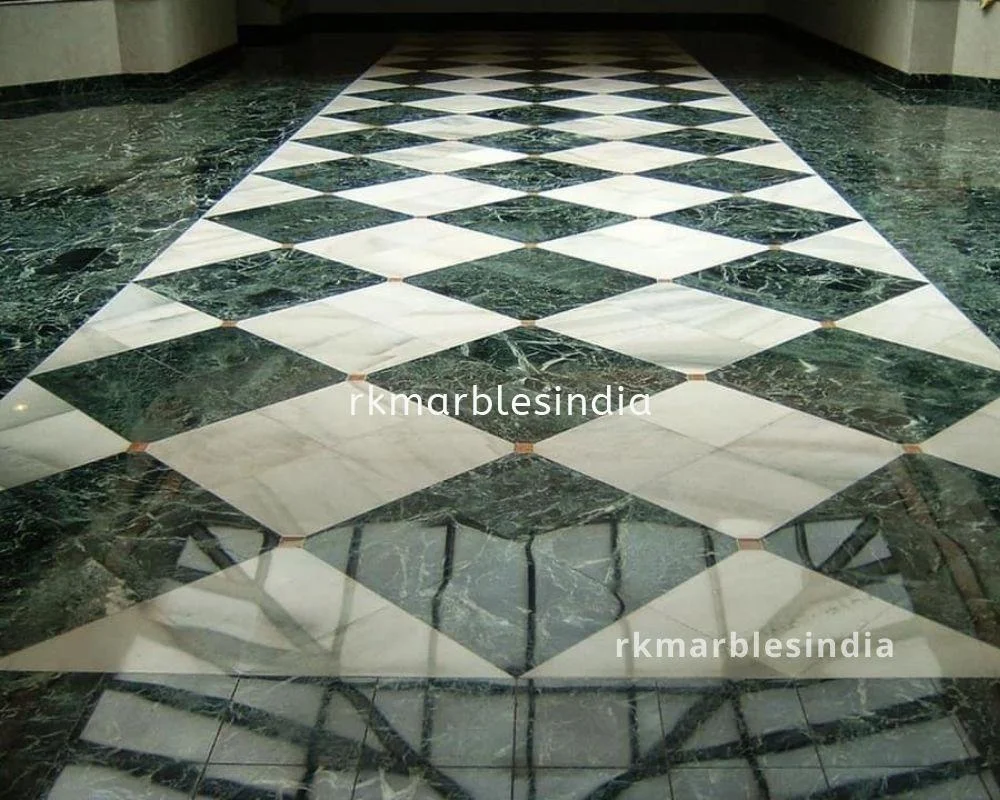
Frame a tight shot straight down at the well-preserved green marble floor panel just inside the entrance vestibule, then pull back to include the granite columns beyond. This spot suits anyone photographing details for a Baths of Caracalla Tickets tour recap.
Photograph the full brick exterior from across Viale delle Terme di Caracalla for a establishing shot showing scale against the modern street. Wider lenses capture the whole facade in one frame.
Buying Baths of Caracalla Tickets works well for families because the ruins are open-air, spread across flat gravel paths, and far less crowded than the Colosseum. Kids have room to roam among the towering walls of the caldarium and the old swimming pool without the jostling of an enclosed museum.
The main site is flat gravel and grass, so a stroller rolls fine across the palaestra and natatio; save the underground Mithraeum for later since its steep, narrow stairs mean one parent will need to carry a toddler down.
Kids around 7 and up get the most out of it, especially with the VR headset, though younger children still enjoy running the open lawns and spotting mosaic fragments underfoot.
Restrooms sit near the ticket office at the entrance; there is no dedicated baby-change room on site, so plan around this before joining any Baths of Caracalla Tickets tour.
Budget slow, short bursts rather than one long walk: let kids explore the vast halls first, then decide as a family whether the underground stairs are worth attempting.
The on-site VR and audio guide options turn dry ruins into a walkable Roman fantasy, reconstructing the baths as they looked in 216 AD, which works well for tweens and teens on a Rome landmarks day out.
Because most of the site is uncovered, heavy rain limits the visit; the covered underground passages and Mithraeum offer some shelter but involve the same steep stairs, so check the forecast before booking skip-the-line Baths of Caracalla tickets.
There's no café or restaurant inside the archaeological site itself, so anyone booking Baths of Caracalla Tickets should plan to eat before entering or walk a few minutes into the San Saba or Aventino streets afterward.
A San Saba fixture since 1986 on a quiet piazza opposite the old market, strong on seafood pastas and wood-fired pizza. Best for a sit-down lunch after a morning at the ruins; outdoor tables fill up on warm evenings, so weekday lunch is calmer.
A neighborhood panificio since 1987 with a garden courtyard, good for cornetti and coffee before opening time or a tavola calda lunch of focaccia and pizza al taglio afterward. Busiest around midday and for evening aperitivo, quieter mid-afternoon.
A large multi-room spot on Viale Aventino open from breakfast to late night, mixing fresh pasta, wood-fired pizza, grilled dishes and poké bowls. Useful if you want a fuller meal with flexible timing rather than a quick bite.
Tucked beside gardens near the baths, with white tablecloths and dishes like fried vegetables and ravioli in sage butter. Suits a relaxed lunch or dinner rather than a fast turnaround, and reservations help on weekends.
Real experiences from real travelers
We arrived just after nine and the site was almost empty apart from birdsong and a groundskeeper raking gravel. The scale hits you at the palaestra — those brick walls go up thirty metres and you feel like an ant. Booking Baths of Caracalla Tickets online meant we walked straight through the gate on Viale delle Terme.
Standing in the frigidarium with no roof overhead and swallows circling was the highlight of our week in Rome. You can still see the hypocaust channels and the brick facing where the marble cladding was stripped away centuries ago. Bring a hat, the July sun bounces off the stone with nothing to block it.
Compared with the crowds we fought at the Forum, this felt like our own private ruin. The mosaic fragments near the eastern palaestra are worth stopping for — geometric black and white tesserae still tight after eighteen centuries. Our Terme di Caracalla tour guide pointed out where the natatio pool once held cold water.
Il sito è enorme e il terreno è irregolare, quindi le scarpe da ginnastica sono obbligatorie. Ho comprato i biglietti Terme di Caracalla online e l'ingresso è stato immediato. Manca un po' di ombra ma la grandezza delle mura ripaga.
Late afternoon light through the arched openings made the brick glow orange, and the whole caldarium apse turned copper. It is one of the few Roman landmarks where you can wander freely without being funnelled along a single route. We spent longer than planned simply sitting on a low wall watching the shadows move.
We came back in the evening for a performance staged against the ancient walls, which is something you cannot get anywhere else in the city. During the day our skip-the-line Baths of Caracalla visit let us see the underground service corridors where slaves fed the furnaces. Cool air down there was a relief after the heat above.
February morning, grey sky, maybe fifteen other people on the entire site. The absence of crowds makes the ruins feel genuinely ancient rather than managed. Holding our Baths of Caracalla Tickets tickets we walked in without queuing at all.
The mithraeum beneath the complex was the part that stayed with me — low ceilings, damp stone, a completely different atmosphere from the sunlit ruins above. Aqua Antoniniana once fed this whole place with water, and you can still trace the cistern outlines. Metro Circo Massimo is a ten minute walk.
August at midday was punishing with almost no shade across the open palaestra courtyards. That said, the surviving columns and the sheer footprint of the thermae justify the sweat. We used our Baths of Caracalla Tickets tour audio guide which explained the layout well.
Cypress trees line the edges and the contrast against the red brick is something I photographed for an hour. Among Rome landmarks this one gives you room to breathe and time to think. Friends who booked Baths of Caracalla Tickets tours with an archaeologist said the commentary added a lot.
Everything you need to know for your journey
The Baths of Caracalla are open Monday from 09:00 to 14:00, and Tuesday through Sunday from 09:00 to 19:15, though closing time shifts earlier in winter months.
Standard adult admission for Baths of Caracalla tickets is 8 EUR, with the exact closing time and any seasonal exhibition surcharge varying through the year.
Yes, the main route through the central halls, including the frigidarium, is wheelchair-accessible, though some peripheral and underground areas involve steps and uneven ancient flooring.
Large backpacks, suitcases, drones, tripods without authorization, and food intended for picnicking are among the items not allowed inside the ruins.
Personal photography is permitted throughout most of the site included with Baths of Caracalla tickets, though flash and tripods can be restricted in certain fragile mosaic areas.
Arriving between 09:00 and 10:30, right at opening, tends to be quietest before tour groups arrive; spring and autumn months also see fewer crowds than peak summer.
There is no formal dress code, since this is an open-air archaeological site rather than a religious building, though sturdy closed-toe shoes are strongly recommended.
No food or picnicking is allowed within the ruins, though a sealed water bottle is permitted and advisable given the limited shade.
Metro Line B to Circo Massimo station is the easiest route, followed by a 10-15 minute walk along Viale delle Terme di Caracalla to the entrance.
Yes, EU citizens under 18 enter free, and the wide-open courtyards and gardens give children room to explore beyond just the enclosed halls.
Refunds are typically available if cancelled at least 24 hours in advance of the visit slot; check the specific terms shown at purchase since policies can vary by reseller.
Circus Maximus, the Colosseum, Palatine Hill, and the start of the Appian Way are all within a 10-20 minute walk and pair naturally with a Baths of Caracalla tour.
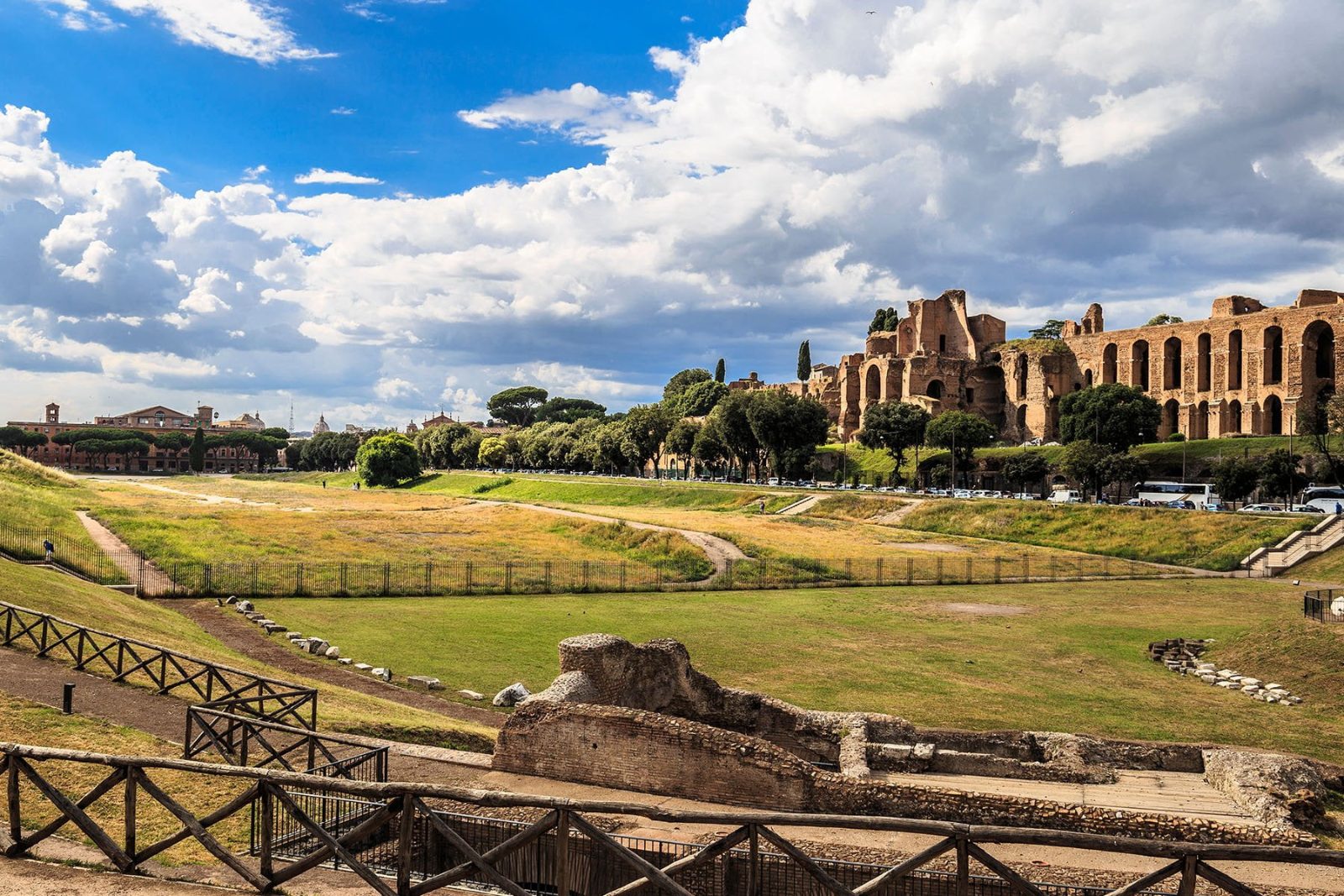
Ancient chariot-racing stadium now an open green space and viewpoint over the valley.
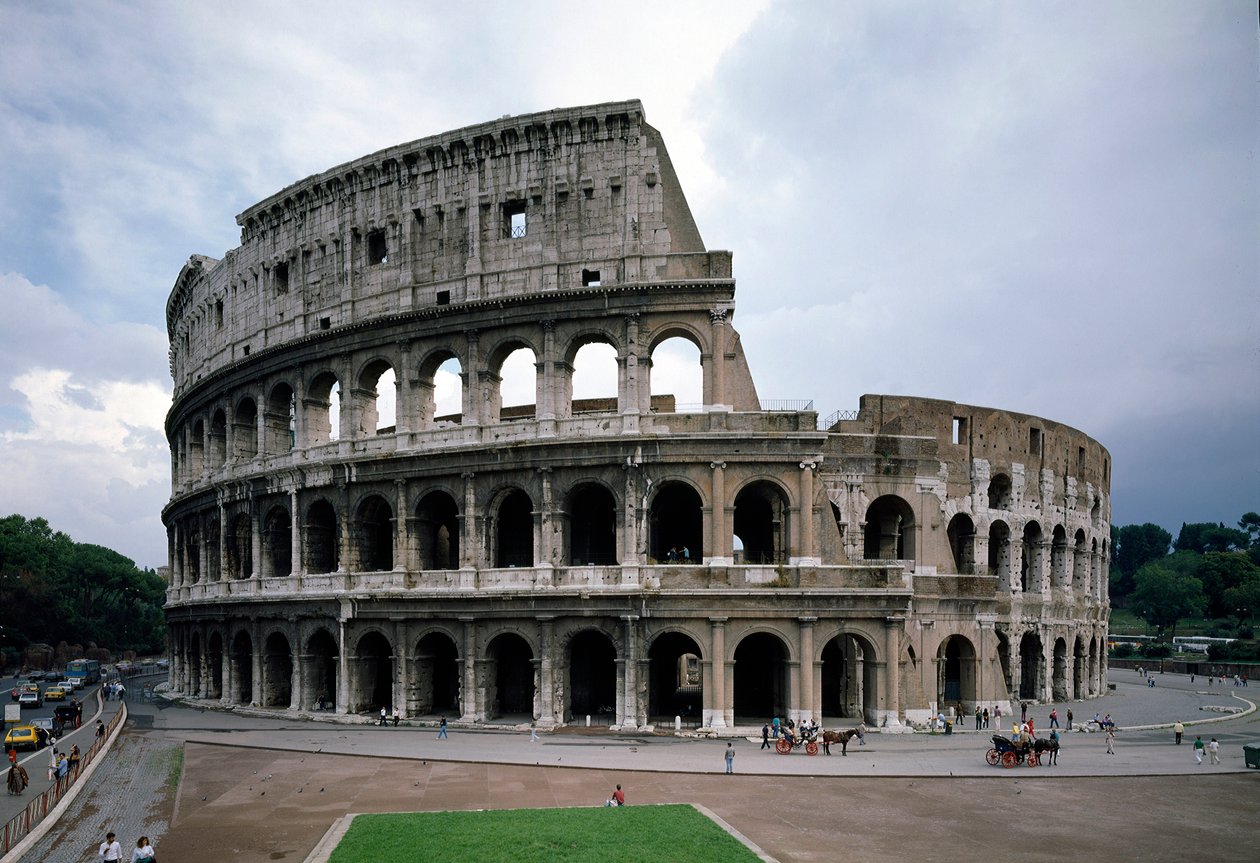
Rome's iconic amphitheater and one of the most visited ancient sites in the world.
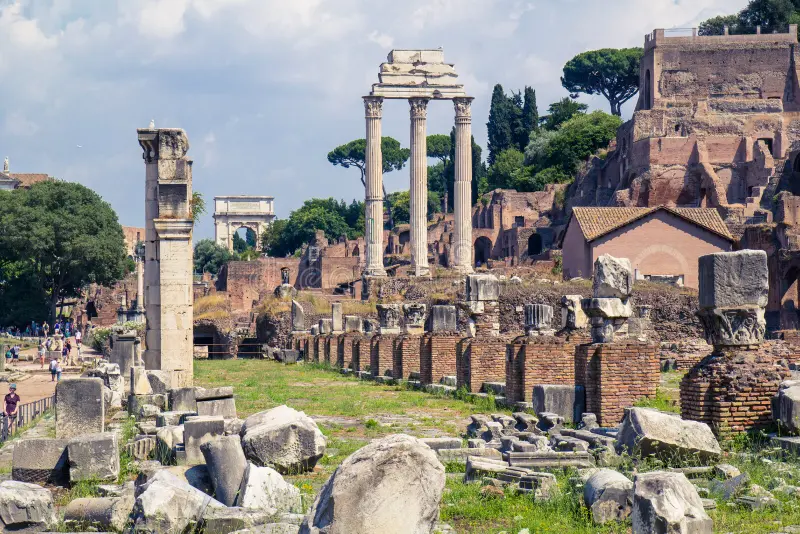
The legendary birthplace of Rome with imperial palace ruins and garden terraces.
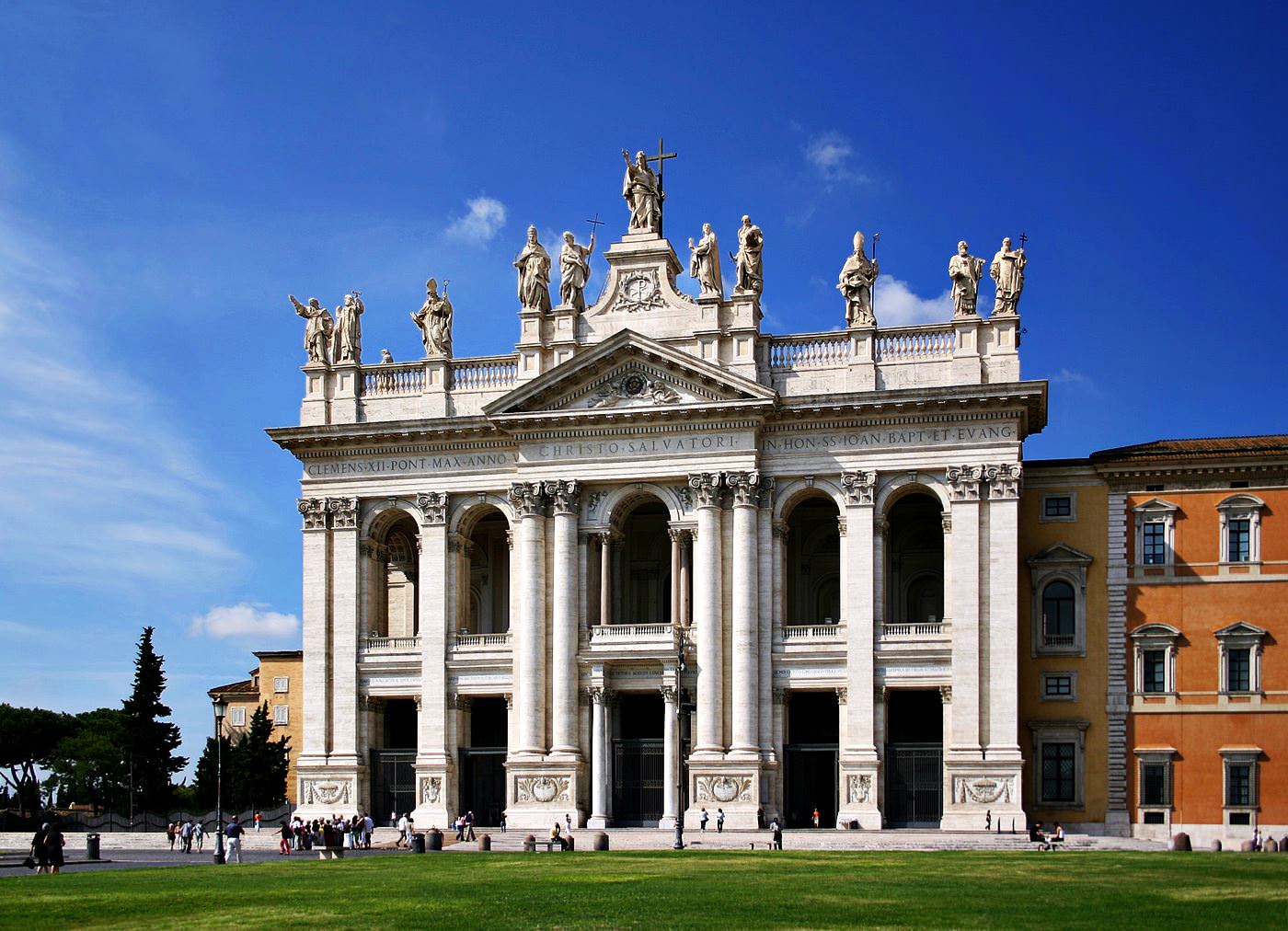
Rome's cathedral and the oldest of the four major papal basilicas.
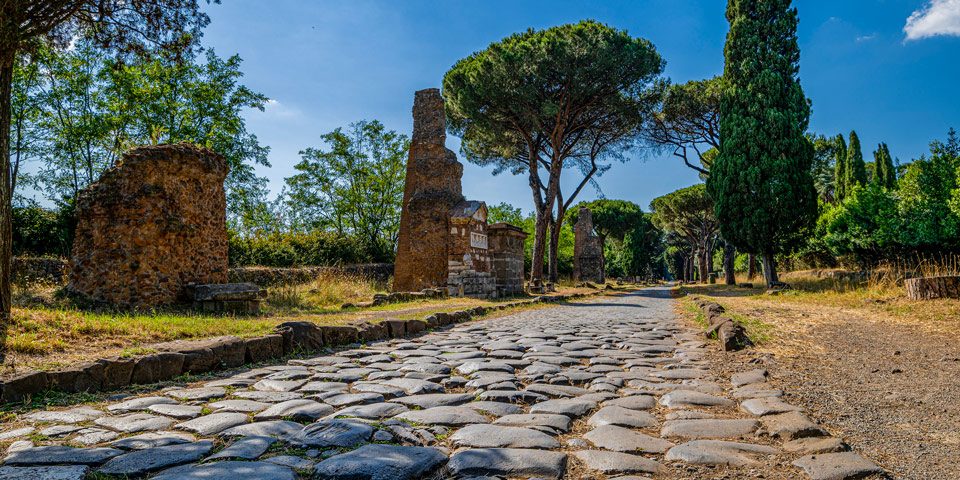
Ancient Roman road lined with tombs, catacombs, and countryside views.
Quiet residential area with a mix of mid-range hotels and B&Bs within easy reach of the baths.
Leafy, upscale neighborhood known for boutique hotels and views over the city.
Central, trendy area with a wide range of budget to boutique options near the Colosseum.
Join thousands of happy travelers who have discovered this incredible experience
Book Your Experience Now